
Essential Camping Packlist: What Do You Need For Camping?
Going camping for the first time? Packing for a family? Whether you’re going to a weekend festival or for a week-long camping trip, our camping checklist includes the essentials and any optional extras to make your camping trip smooth sailing.
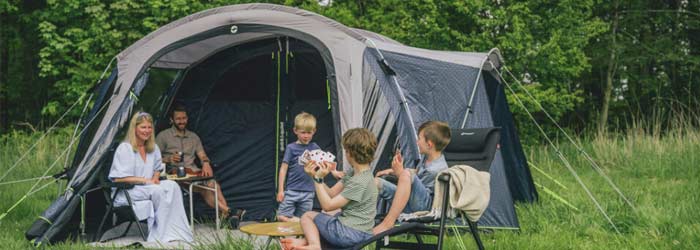
Camping essentials checklist:
- Shelter & Sleeping Gear
- Cooking & Food
- Clothing
- Health & Safety
- Tools
- Personal Hygiene
- Navigation and Lighting
- Entertainment
- Miscellaneous
- Tent Additions
- Additional gear by season
Shelter and sleeping gear
- Tent
- Sleeping Bags
- Camp bed, mat or air mattress
- Pillows
Tent
Tents are the most important consideration as they provide shelter from elements and insects. Choose a size suitable for the number of campers and a tent suitable for the use whether touring, backpacking or festival tents. You can browse tents by size or by use with various tent additions to suit your needs.
Sleeping Bags
Sleeping bags will insulate against cold, even during summer and provide comfort when sleeping. Shop sleeping bags by type with double, mummy-shaped and down-filled sleeping bags or by season to find the right one for your trip.
Camping mat, bed or air mattress
Camp beds, air mattresses, foam mats and pillows will provide insulation from the ground and improve your comfort when sleeping.

Cooking and food supplies
- Outdoor stove and fuel
- Cookware – pots, pans and kettles
- Food – freeze-dried and ready-to-eat
- Tableware & utensils – plates, bowls, cutlery
- Cleaning equipment – collapsible bowls, sponges, wet wipes
- Coolbox
- Water carrier
- Thermos
Outdoor stove and fuel
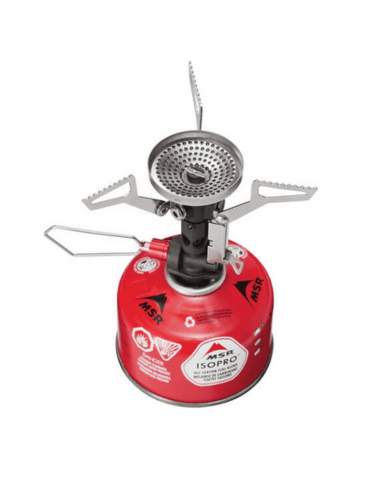
Take a compact and portable outdoor stove with gas, solid and liquid fuel types available to heat water and cook food in the wilderness.
Cookware
Choose lightweight, compact camping cookware, including pots, pans, kettles and utensils for preparing meals.
Food
Bring freeze-dried and ready-to-eat food that just requires heating up on a stove and doesn’t need to be refrigerated.
Clothing, footwear and accessories
- Boots
- Base layers
- Mid-layers or fleece
- Waterproof jacket
- Socks and underwear
Walking boots
Choose well-fitting footwear with proper foot and ankle support. Learn more about how your boots should fit and visit in-store for a fitting.
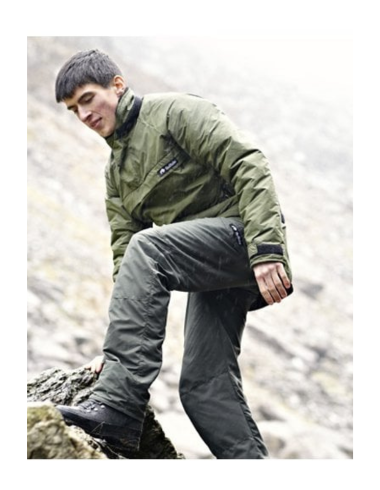
Waterproof jacket
A waterproof jacket is needed for every season, whether lightweight for spring showers or insulated and longer length for winter weather.
A 2-layer waterproof jacket will have a mesh drop lining inside the jacket for better breathability when walking, while a 3-layer waterproof jacket is when the mesh is bonded to the outer layer, creating a much more durable fabric. These are generally better for backpacking, mountaineering and climbing.
If you are going somewhere hot and humid, you may need to consider other options away from a waterproof as these can struggle to breathe in these types of climates.
Base layers and mid-layers
Base layers wick away any sweat from next to the skin and are great for layering during changeable weather, while mid-layers can keep you warm in cooler seasons.
Health and Safety
- First Aid kit
- Blister pads or supports
- Emergency whistle
- Fire extinguisher or spray
- Insect repellent
- Sun cream
- Storm shelters
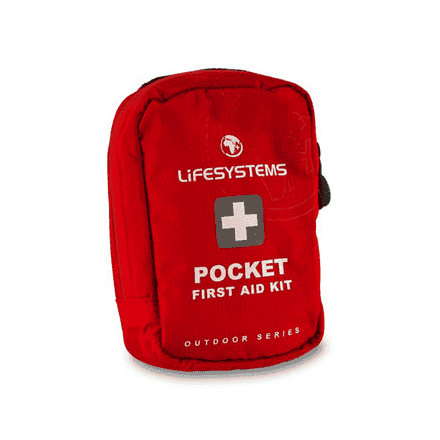
First aid kit
A first aid kit allows you to quickly respond to a range of unexpected injuries with dressings, plasters, cleansing wipes and burn gel sachets. Different types are available to suit your needs, including dog first aid kits for your furry companions.
Fire extinguisher or spray
A small fire extinguisher or spray helps prevent small fires from spreading. They’re especially useful to be within easy reach when cooking outside.
Tools and repair
- Multi-tool or knife – useful for various tasks around camp.
- Duct tape – for any on-the-go fixes.
- Spare tent pegs and guylines – especially useful for bad weather.
- Camping mallet – to hammer pegs in the ground, especially useful for tough or stony areas.
- Repair kits – Tent repair tape, replacement buckles and sealants for unexpected repairs.
Personal hygiene
- Toothbrush and toothpaste
- Biodegradable Soap
- Towel and washcloth
- Anti-bacterial handwash
Navigation and Lighting
- Map and compass – For navigation in areas without reliable GPS signals.
- Headlamp or flashlight – Essential for nighttime activities and moving around camp.
- Lantern or camp light
Entertainment
These optional extras may be handy for downtime or evenings around the camp.
- Books
- Cards
- Puzzles
Miscellaneous and optional extras
- Bin bags – For waste and keeping camp clean.
- Tin opener
- Bottle opener
- Camping chairs or furniture – Provides comfortable seating around camp.
- Portable charger or extra batteries – Keeps devices charged.
- Windbreak
- Portable toilet
- Dry bags for rucksacks
- Survival bags and gear
- Campsite reservation confirmation (if required)
Tent Additions
- Footprint/Groundsheets
- Extensions / Awnings
- Windbreaks
- Roof Protectors
- Air Tent Pumps
Additional Gear by Season
Depending on the season you’ll be camping in, you may need to pack some seasonal extras.
Spring/Autumn Camping:
- Extra layers – Bring additional warm clothing (fleece jacket, hat, gloves) for colder nights.
- Rain gear – Pack waterproof jackets and pants.
- Extra tent pegs and guy lines – Prepare for potential windy conditions.
Summer Camping:
- Lightweight clothing – Focus on breathable fabrics to stay cool.
- Sun protection – Hat, sunglasses, high-SPF sunscreen, SPF lip balm.
- Insect-repellent
- Portable fan – Helps circulate air in tents on hot nights.
- Mosquito nets
Winter Camping:
- Cold weather sleeping bag – Rated for cold temperatures.
- Insulated sleeping pad – Provides additional warmth and insulation.
- Winter clothing – Insulated layers, thermal underwear, and waterproof outerwear.
- Hot water bottle – Adds warmth when sleeping.
Plan for your next camping trip with Outdoor Action
Adjust your gear list based on the specific conditions and activities planned for your camping trip. Always check weather forecasts and any regulations for your chosen camping location.
By following this camping packlist, you’ll be well-prepared for camping adventures in the diverse landscapes and changing weather of the UK. Whether planning a summer hike or a winter retreat, having the right gear ensures a safe and enjoyable outdoor experience.
Comments are closed here.