
Understanding Tent Fabrics and Hydrostatic Head (Waterproof) Ratings
Key Takeaways
- Hydrostatic Head (HH) measures how much water pressure a tent fabric can handle before it leaks.
- The Sweet Spots: 1500mm+ is considered waterproof by British military standards and is fine for budget festival tents; 3000mm+ is ideal for UK family camping; and 5000mm+ is necessary for both mountain and extreme weather & groundsheets on wet terrain.
- The Trade-off: Extremely high HH ratings can reduce breathability, leading to internal condensation that mimics a leak.
- The Outlier: Polycotton tents do not have an HH rating because their natural fibres swell to block water. They are incredibly breathable and durable, but heavier and bulkier.
Whether you are a family preparing for a potentially rainy summer holiday, a backpacker counting every gram, or a festival-goer just trying to survive the weekend, choosing the right material and Hydrostatic Head (HH) rating will make your experience much more enjoyable. Here’s how tent waterproofing actually works and which fabrics you need to look out for.
Jump to:
- What Does Hydrostatic Head Actually Mean?
- Higher HH Ratings: The Benefits and The Drawbacks
- Polycotton: The Exception to the Rule
- Tent Fabric Comparison Overview
- What HH Rating Do You Actually Need?
What Does “Hydrostatic Head” Actually Mean?
Hydrostatic Head (HH) is a standardised measurement (per ISO 811) that determines the maximum water pressure a fabric can withstand before it leaks. It is measured by the height, in millimetres, of a water column that the fabric can support before three drops seep through.
During standard ISO 811 testing, a piece of tent fabric is pulled taut under a clear cylinder, and water is slowly added.
- 1000mm HH: The fabric can hold a 1-metre column of water.
- 3000mm HH: The fabric can hold a 3-metre column of water.
While in the real world, rain does not fall in neat, pressurised columns, wind-driven rain, the pressure of a backpack leaning against the wall, or your knee pressing into the floor all create force. The HH rating serves as a mathematical proxy for the amount of physical force the fabric can withstand before water penetrates the coating.
Higher HH Ratings: The Benefits and The Drawbacks
Higher Hydrostatic Head (HH) ratings offer better storm and ground-pressure protection but reduce fabric breathability and increase overall tent weight.
The Benefits of a High HH Rating
- Heavy Storm Protection: High ratings (3000 mm+) ensure that heavy, wind-driven rain will not mist through the fabric.
- Ground Pressure Resistance: Groundsheets require higher HH ratings. When you kneel on wet ground, your body weight focuses immense pressure onto a small area, forcing water upward.
- Longevity: UV rays, dirt, and folding degrade waterproof coatings over time. A tent rated at 5000 mm has more “life” to lose before it falls below the minimum waterproof threshold than a 1500 mm tent.
The Disadvantages of a High HH Rating
- Condensation Issues: The more heavily a fabric is coated to block water, the harder it is for moisture to escape. Many “leaks” in high-HH tents are actually internal condensation dripping down the walls.
- Increased Weight: Thick polyurethane (PU) coatings add bulk. Ultralight backpackers often accept lower HH ratings to save precious grams.
- Fabric Stiffness: Heavy waterproof coatings can make fabrics rigid, harder to pack, and more prone to cracking over a decade of heavy use.

Polycotton: The Exception to the Rule
If you are looking at family tents, you might notice that Polycotton (a polyester-cotton blend) has no Hydrostatic Head rating. But that doesn’t mean it will leak. Polycotton tents handle waterproofing through the fibres naturally swelling when wet and applied treatments. This swelling tightly seals the microscopic gaps in the weave, creating a naturally watertight barrier.
Why Choose Polycotton?
- Breathability: Because it isn’t sealed with plastic membranes, air flows freely, and condensation is virtually eliminated.
- Temperature Regulation: It stays cooler in the sun and warmer on chilly nights.
The Negatives of Polycotton Tents
- Weight and Bulk: Polycotton is heavy and takes up more boot space.
- Maintenance: Polycotton must be bone-dry before storing; otherwise, it will quickly develop mould.
Weathering: Before its first use, polycotton must also be “weathered” (soaked with a hose and left to dry) to ensure the fibres learn to swell properly.
Who this is NOT for:
Polycotton tents are not suitable for ultralight backpackers, cyclists, or campers with limited car space.
Tent Fabric Comparison Overview
Understanding the underlying fabric and its typical waterproof coating explains why different tents perform differently.
| Fabric Type | Typical Coating | Typical Coating | Pros | Cons |
|---|---|---|---|---|
| Polyester | Polyurethane (PU) | Family, Festival Tents and Touring | Affordable, resists UV sagging. | Heavier and tears more easily than nylon. |
| Nylon | Silicone | Ultralight Backpacking | Exceptionally light, tear-resistant. | Sags when wet, expensive. |
| Polycotton | None (Natural swelling) | Glamping & Extended Stays | Breathable, durable, climate-controlled. | Heavy, more expensive, higher maintenance. |
What HH Rating Do You Actually Need?
The ideal Hydrostatic Head (HH) rating depends entirely on your environment and shelter type. A 1500mm rating is sufficient for light summer showers; 3000 mm is the standard for multi-day rain in mild climates, and 5000mm+ is required for groundsheets on saturated terrain.
Match your specific camping style to the required HH ratings using the definitive chart.
| Camping Use Case | Recommended Flysheet HH | Ideal Fabric Type | About |
|---|---|---|---|
| Summer Festival Camping | 1500 mm- 2000 mm | PU-Coated Polyester | Meets the legal minimum for waterproofing. Ideal for brief, light showers but will wet out during sustained downpours. |
| UK Family Camping (3-Season) | 3000 mm- 4000 mm | PU-Coated Polyester | The sweet spot for balancing heavy rain protection with internal breathability during multi-day trips. |
| Ultralight Backpacking | 1200 mm- 2000 mm | Silicone-Coated Nylon | Trades high HH for weight reduction. High-quality nylon naturally sheds wind and water efficiently, compensating for lower lab ratings. |
| Winter / Wild Camping | 4000mm+ | Heavy PU | Massive groundsheet ratings are mandatory to stop bodyweight from pressing boggy ground-water up through the floor. |
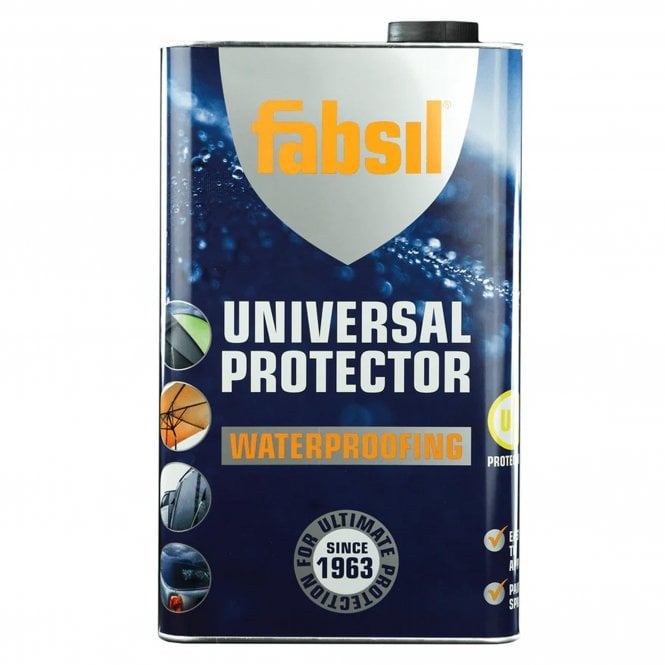
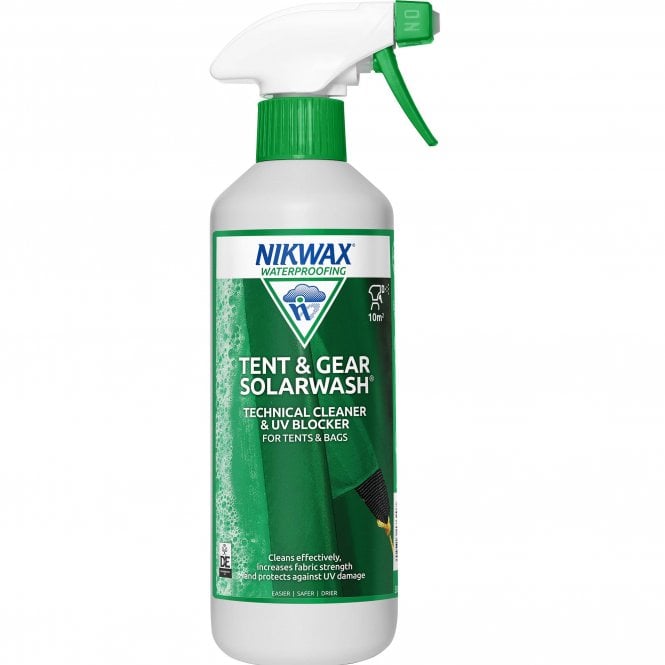
Important Context: A high HH rating is voided if the tent has unsealed or untaped seams. Unsealed seams are the primary failure point in waterproof tents, regardless of the fabric’s ISO 811 lab score. Tent waterproofing degrades over time. No matter what rating you buy, plan to wash your tent with technical gear cleaner and apply a fresh DWR (Durable Water Repellent) spray every 12 to 24 months to keep water beading off the surface.
The Pre-Purchase Checklist: Beyond the Numbers
Note: Do not let the Hydrostatic Head rating be your only deciding factor. A 5000mm fabric is useless if it is stitched together poorly.
Before you buy, check for:
- Factory-sealed seams: Look for tents with taped seams (a clear strip ironed over the stitching). Unsealed seams are the number one cause of leaks.
- Ventilation: If you buy a high-HH tent, make sure it has multiple roof and low-level vents. Otherwise, you will wake up to rain from condensation.
- Bathtub Groundsheets: Ensure sewn-in waterproof floor fabric curves up the sides of the tent by at least a few inches to protect against standing puddles.
Tent waterproofing degrades over time. No matter what rating you buy, plan to wash your tent with technical gear cleaner and apply a fresh DWR (Durable Water Repellent) spray every few seasons to keep water beading off the surface. Keep it clean, keep it dry in storage, and your tent will keep you dry in the wild.
Frequently Asked Questions (FAQ)
How often should I reapply DWR or clean my tent for optimal waterproofing?
You should reapply Durable Water Repellent (DWR) spray to your tent every 12 to 24 months, depending on usage and UV exposure. If rainwater stops “beading” and rolling off the flysheet, and instead makes the fabric look dark and wet, it is time to apply a fresh DWR treatment.
Spot clean as needed. Give the tent a gentle wash with a specialised technical gear cleaner (never standard laundry detergent) at the end of a heavy camping season, or if it smells damp or looks visibly dirty. Learn more in our guide on how to care for your tent.
What should I do if my tent starts leaking during a trip despite a high HH rating?
If a high-HH tent appears to be leaking, the most likely culprits are internal condensation, failing seam tape, or groundsheet seepage. High-HH fabrics trap exhaled moisture inside the tent, which condenses on the cold walls and drips down. If it is a true leak, pinhole failures along unsealed or degrading seams are the number one structural cause.
How can I minimise condensation inside my tent, especially with high HH fabrics?
To prevent condensation in the tent, you must consistently ventilate it by keeping the roof and low-level vents open at all times, even in the rain. Additionally, avoid pitching in deep valleys where cold, damp air settles, and leave soaking boots and damp clothes outside in the vestibule so they do not add immediate moisture to the trapped air inside.
Finding Your Perfect Tent
Remember these golden rules when choosing your next tent:
- Match the number to the adventure: A 1500mm rating will serve you perfectly well for a casual festival weekend, while you will want 3000mm or more for battling unpredictable, wind-driven downpours.
- Look beyond the fabric: Even a 10,000mm HH rating cannot save you from unsealed seams, poor structural design, or a severe lack of ventilation.
- Maintenance matters: Treat your gear right. Keep it clean, ensure it is completely dry before storage, and refresh the DWR coating when the water stops beading.
Ultimately, the best tent is the one that matches your climate, fits your packing constraints, and gives you the peace of mind to actually enjoy your time in the great outdoors.
Related
Tent Components & Features: Parts of a Camping Tent
Comments are closed here.