
Ski Gloves vs. Mittens: Which Is Right for You?
| TLDR: Choosing between ski gloves and mittens depends on your priorities. Mittens generally offer superior warmth by keeping fingers together, while gloves provide better dexterity for handling equipment. Consider your skiing conditions and personal preferences when making your choice. |
Whether you’re heading for a weekend trip or packing for a week in the Alps, your choice of handwear determines how long you can stay out before the cold forces you inside. The debate between gloves and mittens isn’t just about personal style; it’s a trade-off between manual dexterity and thermal efficiency.
At Outdoor Action, we see plenty of skiers and boarders struggling with the wrong handwear for the conditions. This guide breaks down the practical differences to help you choose the right kit.
Contents
Gloves vs Mitts: The Direct Comparison
Material Types and Performance
Raynaud’s and Circulation: The Role of Liners
How To Maintain Your Ski Gloves For Multiple Seasons
Our Ski Glove and Mitt Recommendations
Ski Glove and Mitt Frequently Asked Questions
Gloves vs Mitts: The Direct Comparison
Ski Gloves
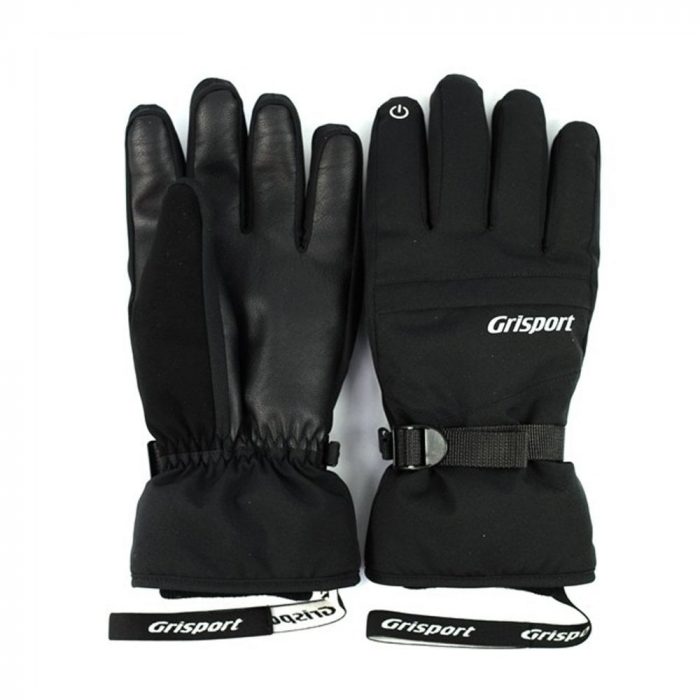
Gloves with separate fingers are the standard choice for most skiers who need to handle gear throughout the day.
- Dexterity: Best for adjusting boot buckles, using zips, and handling ski poles.
- Warmth: Lower than mitts. Because each finger is isolated, each one cannot share body heat with the others. The larger surface area also means heat escapes faster.
Best for: Technical skiers, spring skiing, or those who rarely suffer from cold hands.
Ski Mitts

Mitts keep your fingers together in one main compartment, with only the thumb separated.
- Warmth: Superior to gloves. By keeping your fingers in contact, they generate and retain more heat.
- Dexterity: Limited. You will likely need to take mitts off to adjust your goggles or use a phone.
Best for: Beginners, snowboarders, and anyone prone to cold hands or poor circulation.
Material Types and Performance
The type of material you choose depends on the weather and your activity level.
Waterproof vs Fleece
- Waterproof/Windproof: Essential for most alpine conditions. These usually feature a membrane (like Gore-Tex or similar) that keeps moisture out while letting sweat escape. If your insulation gets wet from snow or sweat, you will get cold.
- Fleece: Best used as a liner or for very dry, high-activity days. Fleece provides good warmth but offers no protection against wind or wet snow.
Insulation (Down vs Synthetic)
- Synthetic (Primaloft/Thinsulate): The most practical choice. It stays warm even if it gets damp and dries out quickly.
- Down: Offers the best warmth-to-weight ratio but becomes useless when wet. Only recommended for extremely cold, dry climates.
Raynaud’s and Circulation: The Role of Glove Liners
For those with Raynaud’s Phenomenon or poor circulation, the choice of handwear is even more important. The goal is to keep the blood flowing and prevent the “white finger” effect caused by the cold.
Glove Liners
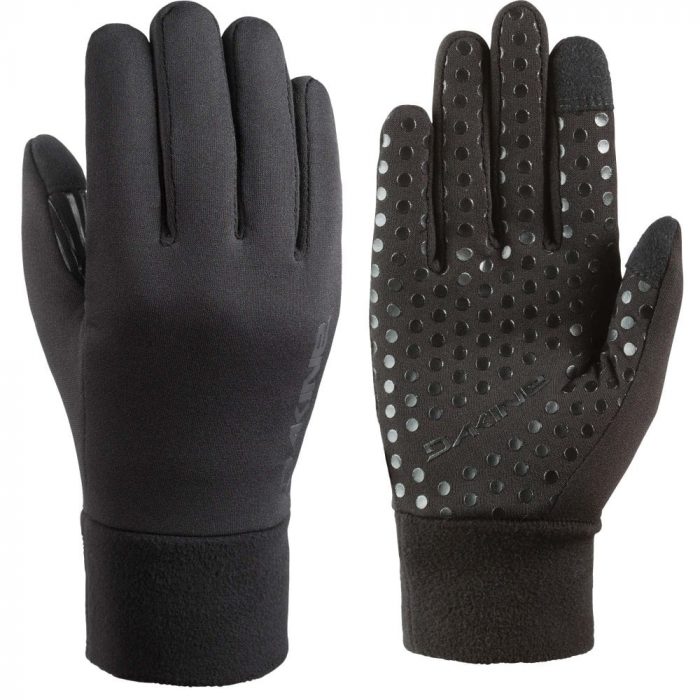
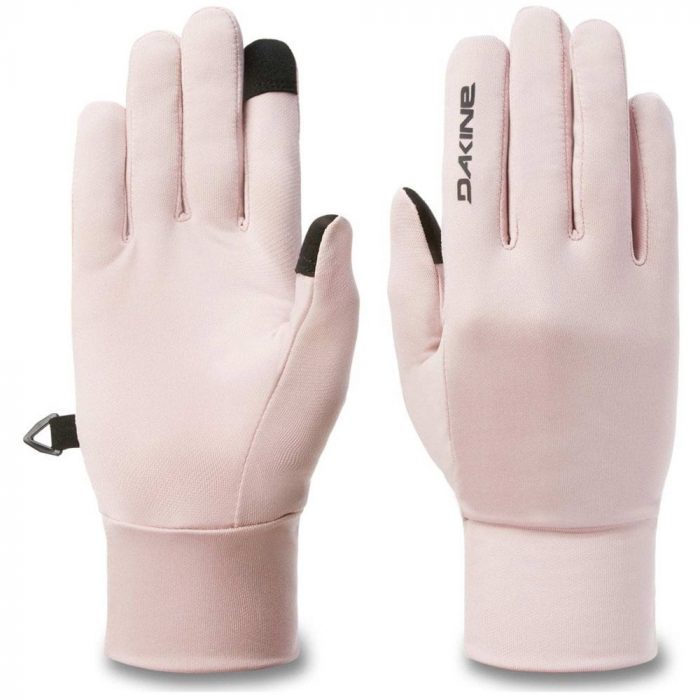
Wearing a thin silk or synthetic liner inside a larger mitt is the most effective setup for poor circulation.
- Thermal Layer: Liners provide a base layer of warmth that stays against your skin even if you have to remove your mitts briefly.
- Moisture Wicking: Silk is excellent at moving sweat away from the skin. Damp hands are the quickest way to lose heat.
- Sizing Tip: If using liners, ensure your outer mitt is not too tight. A tight fit restricts blood flow, making your hands colder regardless of how much insulation you have.
How To Maintain Your Ski Gloves For Multiple Seasons
To keep your gloves or mitts performing for several seasons, follow these steps:
- Dry Naturally: Never put gloves on a direct heat source, such as a radiator. Doing this can damage waterproof membranes and make leather palms brittle.
- Re-waterproof: If water stops beading on the fabric’s surface, use a reproofing spray to restore the water-repellent finish.
- Leather Care: If your gloves have leather palms, treat them with a dedicated leather balm once a year to keep them supple and prevent cracking.
| Feature | Ski Gloves | Ski Mitts |
|---|---|---|
| Main Benefit | Better grip and control | Maximum warmth |
| Dexterity | High | Low |
| Warmth | Moderate | High |
| Recommended For | General skiing & gear handling | Cold hands & Raynaud’s |
Our Ski Glove and Mitt Recommendations
Liners | 4-way stretch fleece Touchscreen compatible Dakine Storm Liner Gloves | Moisture-wicking stretch Touchscreen compatible Dakine Womens Rambler Liner Glove |
| Gloves | Gauntlet-length build that shields against the elements Removable fleece Storm Liner glove Touchscreen compatibility Dakine Leather Scout Gloves | Plush lining and innovative PrimaLoft® CROSS CORE™ technology Water- and wind-repellent Made with recycled materials Ziener Ladies Kahli PR Glove |
| Mitts | Ribbed knitted cuffs Textured palms Waterproof Designed to keep fingers close together for enhanced warmth Dare2b Veracity II Ski Mitt | Removable Storm Liner glove Touchscreen-compatible liner Water-resistant zippered pocket doubles as storage for small essentials or a heat pack. Dakine Womens Sequoia GTX Mitt |
Ski Glove and Mitt Frequently Asked Questions
Are mittens always warmer than gloves?
Generally, mittens are warmer because they keep the fingers together, allowing for greater sharing of body heat. However, high-quality gloves with proper insulation can also provide significant warmth.
Can I use glove liners with mittens?
Yes, using glove liners inside mittens can add an extra layer of warmth and help wick moisture away from your skin.
Are there waterproof mittens available?
Yes, many mittens are designed with waterproof materials or coatings to keep your hands dry in wet conditions.
Do mittens affect my ability to grip ski poles?
Mittens may reduce dexterity, making it slightly more challenging to grip ski poles. However, many skiers adapt quickly, and some mittens feature textured palms to improve grip.
How do I choose the right size for ski gloves or mittens?
Ensure a snug fit without restricting movement. Your fingers should reach the end of the glove or mitten without excessive space, and the wrist area should be secure to prevent snow from entering.
Gear up for your next trip at Outdoor Action
At Outdoor Action, we stock a wide range of gloves, mitts, and liners from trusted brands like The North Face, Berghaus, and Dare2B.
Browse our full collection of men’s and women’s ski gloves and mitts, or call into our Blackburn store on King Street to try them on and get expert advice from our team.
Related
Why you should get your Ski or Snowboard Serviced
Ski Trip Packing List Made Easy: What to Wear and Bring for the Slopes
Comments are closed here.