
How To Care For Your Tent
Whether you’re a seasoned camper or new to the experience, taking proper care of your tent is essential for ensuring it remains reliable, comfortable, and durable through countless trips.
Follow our practical tips and expert advice on maintaining your tent, from setup to storage, so you can learn how to extend the life of your tent, keep it in top condition, and avoid damage.
Contents
- Weather your tent
- Use a tent footprint
- Take care of the poles during setup
- Use plenty of pegs and guy ropes
- How to clean your tent
- How to store your tent
- What’s the best way to waterproof or reproof a tent?
- Learn the signs of condensation versus leaking
Before taking your tent on its first trip, pitch and inspect it as soon as possible after purchase. This helps you become familiar with setting up and taking down your new tent and is an opportunity to address any questions or concerns in a timely manner.
1. Weather your tent
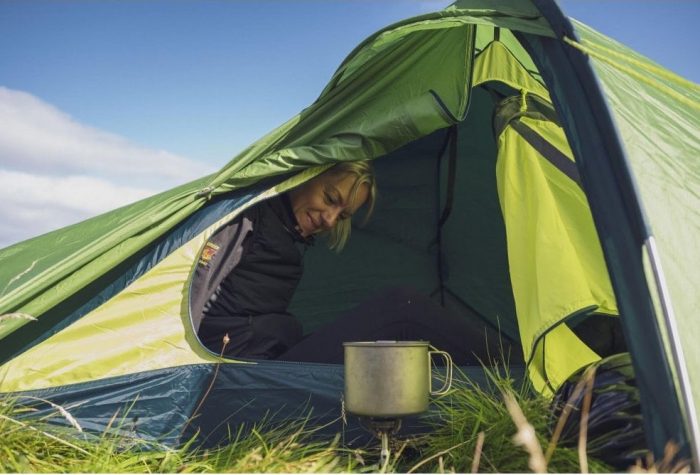
Before heading off on your adventures, weathering your tent is important. Weathering involves fully soaking your tent in your garden and allowing it to dry completely 4-5 times. You can do this with a garden hose.
Generally, if a tent leaks, it’s likely to be through the stitches rather than the material itself, as the needle punctures the materials, which means water can seep through.
Weathering helps the thread swell into the needle holes, enhancing the tent’s waterproofing and allowing you to identify any areas that might leak.
2. Use a tent footprint
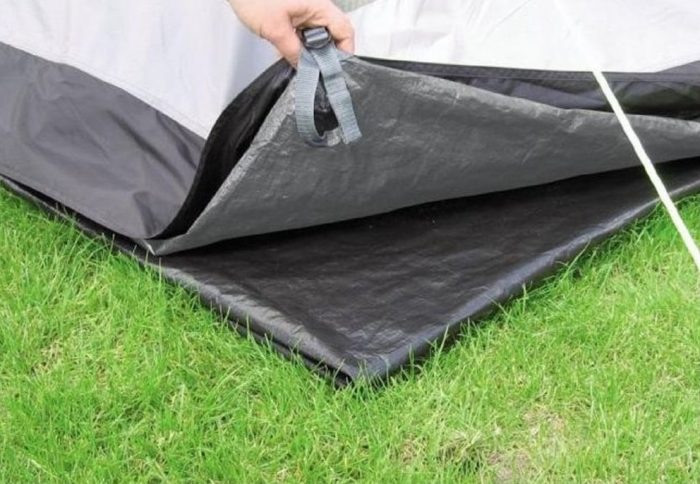
Tent footprints keep water and dirt away from the bottom of your tent and help it stay clean when you need to pack it up again.
If you are not using one specific to your tent, make sure that any excess material is underneath your tent so no water is channelled under your tent.
3. Take care of the poles during setup
Most pole damage occurs when you’re setting up the tent. Try not to overstress the poles, as this can permanently bend them out of shape and ensure they are properly inserted into one another before bending them.
It can be worth taking spare poles with you and some duct tape in case of any emergency repairs.
In windy conditions, try to use as many people as possible to pitch or take down your tent, as this is when it is most vulnerable.
4. Use plenty of pegs and guy ropes
Using only a few pegs to set up your tent may seem sufficient, but warranty coverage may be voided if your tent sustains damage from wind, rain, or any other factors, so it’s important to use all the pegs provided with your tent.
We recommend buying extras such as Rock Pegs for harder ground or Angled Pegs for softer ground.
Always use the guy lines provided with your tent, as they play a crucial role in providing structural support for your tent for a strong foundation. Guy lines should be tensioned enough to hold the tent (not pulling} but still allow some movement.
Adjust them in the morning or evening, as the fabric can become looser when wet or cold and will need tightening. On warm, dry days, slacken the guy lines to allow for fabric expansion.
Neglecting to use the guy ropes increases the likelihood of tent failure, especially during windy weather.
5. How to clean your tent
Before packing away or cleaning your tent, be sure to follow these steps:
- Shake out the tent thoroughly and sweep any dirt from the tent lining.
- Wipe down any large areas that may have mud on them.
- Make sure the inner tent is completely dry before storage.
- Wipe down zips and poles to prevent rust or corrosion from mud.
- Clean poles thoroughly after camping in dusty or salty conditions, especially around the intersections.
- If your tent gets dirty from mud, birdlime, or tree sap, clean it by brushing off the dirt with water. Avoid using detergents or chemicals.
- For tough stains, use a specialist cleaner and gently scrub any dirty areas by hand, being extra gentle on coated areas.
To more thoroughly clean your tent, hand wash it. Never put them in the washing machine.
- Firstly, erect the tent outdoors.
- Spray a specialist tech cleaner for outdoor gear like the Nikwax Solar Wash.
- Rub it in well with a wet cloth.
- Rinse it with clean water using a sponge or cloth.
- Allow to dry or reproof it while still wet.
6. How to store your tent
When packing away your tent, it must be completely dry both inside and out. If you must pack your tent away wet on site, get it out as soon as you get home, otherwise, mildew or mould can grow and cause the tent to degrade. This includes poles and muddy pegs.
- Choose a cool, dry place that protects it from sunlight and potential damage by animals. A shed, garage, or even a wardrobe or spare room can be good places. Make sure that no mice or other rodents can get to the fabric..
- Instead of storing the tent in its sack, use an oversized, breathable cotton bag or a pillowcase to allow ventilation and prevent mould growth.
- Before your next use, take the tent out a day or two beforehand to air it out thoroughly and inspect its condition. It’s better to address any issues before heading out on your adventure.
What’s the best way to waterproof or reproof a tent?
Periodically reproofing your tent is essential to maintain its waterproofness and breathability. The frequency of reproofing depends on how often you use your tent and factors like abrasion, UV exposure, wind, and rain, which gradually degrade the tent’s waterproof coating.
Signs that your tent needs reproofing include water seeping through the outer
material instead of beading, dampness on the inner lining, or condensation buildup.
To reproof your tent, we recommend using the Nikwax Tent & Gear Solar
- Pitch your tent and ensure the fly sheet is clean.
- Carefully clean the seams with a soft cloth or sponge, removing any bits that are peeling off.
- Apply Fabsil or Nikwax Tent Proofer to the fabric, ensuring even coverage over the entire tent. Spray or use a paintbrush. Do not reproof a tent on a lawn as this may kill your grass.
- Apply seam sealer to the tent, following the product instructions. Make sure you get the right type of seam sealer – polyurethane-coated materials need a different seam sealer than silicone-treated ones.
- Use a clean cloth to ensure any drips or excess is wiped away.
- Allow to dry.
Learn the signs of condensation versus leaking
One of the biggest sources of confusion for campers is distinguishing between condensation and leaking. Here’s how to tell the difference:
Cause: Condensation is caused by moisture in the air from people, animals, and cooking. As the tent warms up, this moisture condenses on the colder fabric of the flysheet, forming water droplets.
Symptoms: It is more noticeable when raining, as cold rain cools the flysheet faster, and causes water droplets to bounce, creating drips. Condensation droplets typically drip from the lowest points in the tent, such as hanging loops or windows, or pool at the base
around beams in air tents.
Misidentification: 99% of claims of leaking are actually due to condensation. To give you an idea, one person can generate approximately one pint of moisture overnight.
Reducing Condensation:
Ventilation: Keep all ventilation points open as much as possible.
Cooking: Avoid cooking inside your tent.
Wet Items: Avoid drying items inside your tent on rainy days. Wait for a nicer day if possible.
Airflow: On nice days, open all the tent doors to allow airflow.
Sleeping Bags: Take your sleeping bags outside to air them out, as they store moisture after use.
Pets: If you have pets, dry them off as much as possible before they come inside for the night.
By following these steps, you can minimise condensation and better distinguish it from actual leaks in your tent.
Shop tents, accessories and care products at Outdoor Action
Proper tent care is more than just a series of tasks; it’s an investment in many future adventures. Following the tips and guidelines in this blog will ensure your tent remains in top condition, ready to provide shelter and comfort on every trip.
Explore our selection of tent cleaning and waterproofing products at Outdoor Action to find quality products you’ll use time and time again.
Camping Insurance – As tents and camping equipment are essential for your holiday, Outdoor Action cannot be held responsible for any equipment damages, whether due to manufacturing defects or other causes, that result in the premature end of your holiday. In this instance, we strongly advise obtaining relevant travel insurance to cover you in the event of equipment damages or failures, as well as any additional holiday expenses.
Comments are closed here.