
How To Choose Walking Boots: The Importance of Fit
When it comes to hiking, walking boots are important to get right. The right pair will ensure an enjoyable experience, while the wrong pair can turn a short trek into a painful experience.
The best walking boots for you are always what fits best. The right-fitting pair will prevent blisters and provide the right support to ensure you’re comfortable covering long distances.
In this guide, we’ll walk you through how to choose walking boots that fit properly, how to check the fit and what materials and features you’ll need depending on what type of hiking you’ll be doing and in what season.
Table of Contents
Which walking boots do you need?
Get the right socks for hiking
Measuring your feet for hiking boots
Materials and features for walking boots
Features to look for different hiking types and seasons
Which walking boots do you need?
Before you start to measure or try on different boot sizes, it’s important to know what types of boots you need, depending on what type of walking you’ll be doing.
You’ll need different shoes for different terrains; for example, low walking boots with good outsoles will be fine for footpaths, while more hardwearing boots will be needed for rocky mountain terrain.
- Mountaineering
- Walking
- Hiking
- Trail
- Woodland trails

Get the right socks for hiking
When trying on walking boots, you’ll need to wear the hiking socks you intend to wear to ensure you get the right fit. If you need insoles, try your boots with these in, too.
Measuring your feet for hiking boots
While you may know your foot size, hiking boot sizes can vary from brand to brand, so it is important to try them on or measure your feet to compare to their product size guidelines.
We recommend coming in-store for a boot fitting where we’ll measure your feet for both length and width and consider arch height, foot shape and ankle position to find the best boots for you. We’ll also recommend the type you’ll need for what type of walking you’ll be doing.
How to get the right boot fit
When choosing your boot size, aim for the same size as your usual shoe size. Put them on and let your feet spread out. If they feel tight before you’ve laced them up, you’ll need to try on a size up.
Boot length
With the boots still unlaced, put your feet in the boots with your toes close to the end of the boots. There should be enough room to fit your index finger down the back of the heel to the bottom of the boot.
- If there is too much room to move your finger, take a size down. The boots will be too big even if you tie your laces tight.
- If there isn’t enough room, size up. Your feet will swell on longer walks, so you must have enough space.
Lace-up the boot
To lace up your boots, keep your foot flat and press the heel towards the back of the boot. There are different ways to lace up your boots, but generally, you will follow these steps:
- Tighten the laces with slight pressure from the bottom to the top of the boot at each eyelet.
- If the boot is too small, the laces will bulge.
- If the boot is too big, you’ll feel like you need to tighten them more.
Stand up and walk around
The boots should feel snug but not tight, with enough space to wiggle your toes around. Roll onto the balls of your feet and heels to check the support. Your feet should be held in place without the heel lifting.
What to look for in the right fit
- The room: When walking downhill, your feet naturally slide forward, and if your toes are cramped, you’ll end up with painful blisters or even black toenails. You should be able to wiggle your toes freely but not feel like you’re swimming in extra space.
- Snug fit: The ankle and heel areas of the boot should fit snugly to prevent unnecessary movement that could cause friction and blisters. A well-fitted ankle area keeps your foot stable, reducing the risk of sprains when navigating uneven or rocky terrain. While the ankle should feel secure, you don’t want the boot so tight that it restricts your blood flow or becomes uncomfortable over long periods.
- Width: Some people have wider feet, and some have narrower. It’s essential to choose boots that match the width of your foot to avoid pressure points or painful rubbing.
- Volume: Checking the volume means checking how much space your foot takes up in the boot. If there’s too little volume in the shoes, they’ll feel too tight when laced up, and if there’s too much volume, the boots will crease where your toes bend.
- Arch support: A good insole provides the right arch support for your foot type. Flat feet may need extra support, while those with high arches may require a different type of cushioning. Many boots come with standard insoles, but if they don’t feel right, you can always swap them out for custom insoles to improve your comfort.
Materials and features for walking boots
Leather walking boots
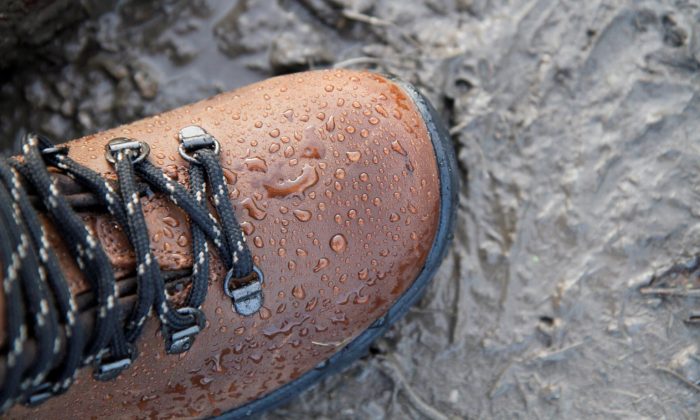
Leather is a classic material for walking boots, thanks to its durability and water resistance. It tends to be heavier and takes longer to break in but will conform more to the shape of your foot over time. Leather boots are ideal for long, rugged hikes or multi-day treks.
Synthetic walking boots
Synthetic materials like nylon or polyester are lighter and generally more affordable. They dry faster and are more breathable, so they are great for short hikes or summer conditions. However, they may not last as long as leather boots.
Gore-Tex walking boots
Materials like GORE-TEX are often used to create waterproof yet breathable boots, essential for hiking in wet weather. GORE-TEX walking boots are durable, waterproof and windproof, perfect for outdoor adventures.
Regardless of materials, all boots and shoes require regular care and maintenance to get the best out of them and durability. Read our guide to cleaning and reproofing your boots.
Vibram Sole Unit
Vibram sole units offer exceptional traction and are designed to offer stability on all surfaces.
Features to look for different hiking types and seasons
The right boots and features you need will depend on the type of hiking you’ll be doing, and the season you’ll be doing it in.
Summer: Breathability
When hiking in warmer weather, you’ll need breathable boots made from lightweight, synthetic materials to help keep your feet cool and dry. Choose low or mid-cut boots with mesh panels to increase flexibility and airflow, sacrificing a bit of ankle support for cooler feet.
Winter and wet-weather hiking: Waterproofing and Insulation
If heading out for winter hikes, you’ll need boots with waterproof materials and insulation. Look for waterproof membranes like GORE-TEX to keep your feet dry and insulated boots that help keep your feet warm in colder temperatures. High-cut boots offer better protection against snow or mud, and thicker soles will improve warmth and grip.
Rough terrain: Traction and Support
You’ll need boots with excellent traction if hiking on rocky, uneven, or slippery surfaces. Boots with deep indentations on the outsole provide a better grip on muddy or slippery surfaces. High-cut boots offer the ankle support you need for stability, while stiffer soles prevent your foot from feeling every bump and rock on the trail.
Multi-day or long-distance hikes: Durability and comfort
For long-distance hikes, you’ll need boots that can keep you comfortable whilst being durable. Look for boots with padded collars and tongues for additional comfort over many hours of wear. Sturdier boots, typically with leather uppers and PU midsoles, are better for multi-day treks. Although they might take longer to break in, they’ll last longer and offer better protection for your feet.
Shop walking boots from Outdoor Action
The right walking boots will perfectly balance fit, materials, and features. Make sure you get a fit that leaves enough room for your toes, supports your ankle, and matches your foot shape.
Shop our collection of men’s and women’s walking boots at Outdoor Action from top brands like Grisport and Dolomite, with options for various terrains and weather conditions. Or, if you don’t feel confident in getting the right fit yourself or want some advice, pop into our store and one of our in-store experts will help you get the perfect pair.
Related
A Step-by-step Guide to Cleaning and Reproofing Your Walking Boots or Shoes
Comments are closed here.