
How to Use a Camping Stove
Whether setting off for a weekend getaway in the Lake District, tackling a long-distance hike in the Scottish Highlands, or just camping in your local woods, a good camping stove can make all the difference to your outdoor experience.
If you’re new to camping or unsure how to use a camping stove properly, it’s important to know the basics to avoid accidents or hazards.
In this guide, we’ll walk you through how to use the three most common camping stoves: gas stoves, liquid fuel stoves, and spirit burners, as well as highlight some safety tips to keep you safe on your adventure.
Contents
How to use a gas camping stove
How to use a liquid fuel stove
Types of camping stoves
There are different camping stoves to choose from, each with its own pros and cons. The right camping stove depends on the trip you’ll be going on and the number of people you’ll be cooking for.
Some of these include:
Gas camping stoves: Quick, easy to use, and perfect for short trips.
Liquid fuel stoves: Reliable for colder weather and longer trips & as well as going to areas where unpredictable of what fuel you can get hold of
Spirit burner stoves: Lightweight and simple, ideal for hikers and DofE & Youth groups
Learn more about the pros and cons of each in our guide to the best stoves for camping.
Each stove will come with instructions, as there will be slight differences between brands and models. Follow the specific instructions for your stove at all times.
How to use a gas camping stove
Gas camping stoves are popular for campers as they’re easy to use. They typically use propane or butane canisters, which are widely available and easy to attach.
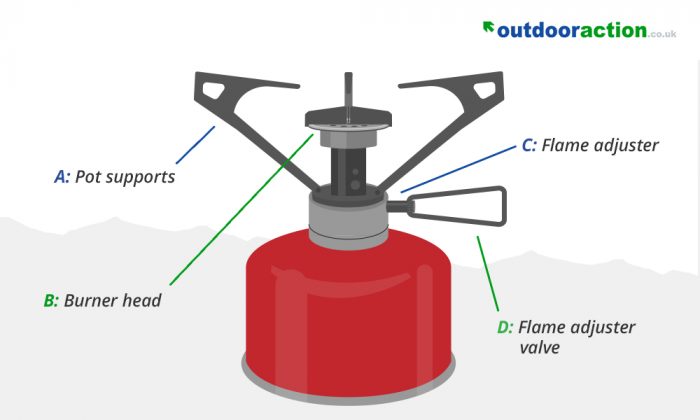
Gas stove parts
A: Pot supports: The metal arms that hold your pots or pans.
B: Burner head: The part where the flame comes out.
C: Flame adjuster: The control knob to adjust the flame size.
D: Flame adjuster valve: The valve that controls gas flow to the burner.
Check for leaks before using
Always check over your stove and canister for leaks before using and lighting. If you smell gas, do not attempt to light it. Fuel leaks are a serious fire risk.
Top Tip: One way to check for leaks is to mix washing-up liquid and water in a spray bottle and spray it on the connection points. If gas is leaking out, bubbles will appear over the damaged areas, meaning it should not be used. If no bubbles are appearing, wipe the stove and canister down, and it’s safe to use.
Prepare your setup area
Make sure you have a flat, stable surface to set your stove on so it stays steady when cooking. Clear the area of any combustibles, like paper, wood, or alcohol and have a suitable tray or mat beneath the stove to catch any potential spills or fuel leaks.
- Connect the fuel
- Unfold the flame adjuster and close the flame adjuster valve.
- Screw the stove onto the fuel canister, making sure it’s securely fastened (but don’t overtighten, as this can damage the stove or cause a fuel leak).
- Unfold the pot supports of your camping stove, ensure they’re fully extended and lock them into place to create a stable platform for your cooking pot or pan.
- Don’t attempt to light the stove if the flame adjuster valve has been left open. Close it immediately and thoroughly ventilate the area before lighting the stove.
- Turn the stove on
- Once you’ve checked for leaks and everything is secure, hold a lit match over the edge of the burner head.
- Open the flame adjuster valve with a 3/4 turn to release and ignite the fuel.
- Once the stove is lit, adjust the flame adjuster valve to your desired heat level. A proper flame will look blue.
Never place your head or body above the stove while lighting or cooking.
- Place cookware on the stove
- Now that your stove is lit and the flame is stable place your pot or pan carefully onto the stove, ensuring it’s balanced on the arms.
- Use the flame adjuster valve to adjust the heat.
- Never use cookware too large for the stove, as this can tip over.
- Turn the stove off
- Once you’ve finished cooking, close the flame adjuster valve.
- Wait for the stove to cool down fully before moving or packing it away.
- Disconnect the fuel canister and store it in a cool, well-ventilated area away from heat or flames.
How to use a liquid fuel stove
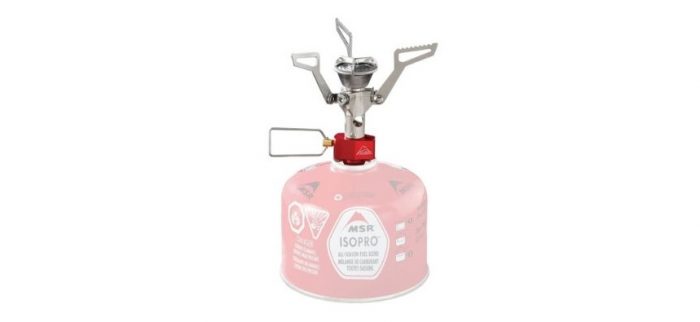
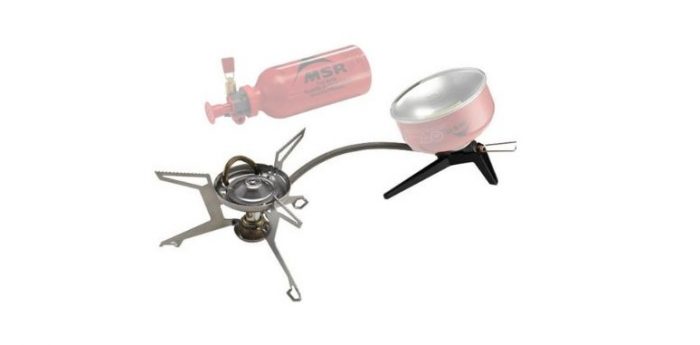
Liquid fuel stoves are great for colder climates or longer expeditions, as they can perform well even in freezing temperatures. They convert liquid fuel (usually white gas or kerosene) into gas for combustion.
- Assemble the stove, pump and bottle and check for leaks
- Check the pump, fuel line, and burner for leaks before use. Leaked or spilt fuel can ignite easily and cause burns.
- Prepare the fuel bottle
- Fill the fuel bottle to the fill line with the appropriate fuel. Always check your stove’s manual for the correct type of fuel.
- Insert the pump into the fuel bottle and tighten it properly.
- Close the pump control valve.
- Set up the stove
- Unfold the stove’s leg supports and ensure it’s stable and balanced on the ground.
- Connect the stove to the pump by completely inserting the brass end of the fuel line into the pump and securing it in place with the latch arm.
- Pressurise the bottle by pumping the handle 20-30 times or until you feel firm resistance.
- Preheat the stove
Preheating the stove converts the liquid fuel to a gas for efficient burning.
- Position the bottle as far away from the stove as possible and keep combustibles away.
- Open the pump control valve slightly to release a small amount of fuel into the priming cup – about half a teaspoon – then close the valve.
- Ignite the stove by holding a flame to the burner head. Where you hold the match will depend on your specific stove. Keep your face and body back.
- Allow the flame to preheat the stove for about 2 minutes.
- Once the preheat flame reduces, slowly open the pump control valve further to create a steady blue flame.
- Cooking on the stove
- When you have a steady blue flame, slowly open the control valve or flame adjuster valve to increase flame and heat before the flame goes out.
- If the flame goes out, turn off the stove and wait five minutes before relighting.
- To simmer, turn down the pump control valve to limit the heat.
Never disconnect the fuel line while the stove is lit. Always ensure the stove is completely off before handling fuel.
- Turning off the stove
- Close the pump control valve when cooking is finished and wait for the stove to cool before packing it away.
How to use a spirit burner
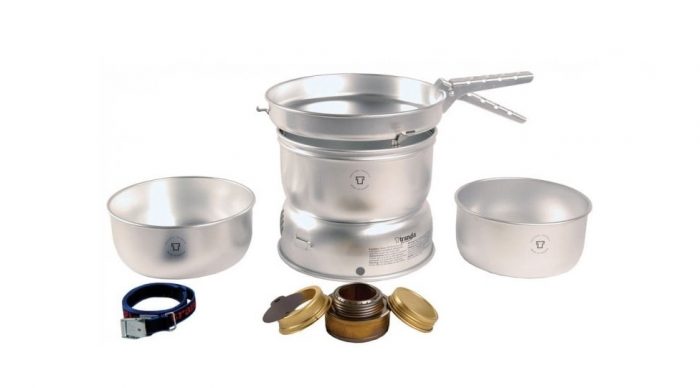
Spirit burners are excellent for camping and trekking due to their simplicity and reliability. They use alcohol-based liquid fuels, which means they require careful handling to avoid spills. Lightweight and compact, spirit burners perform well, even in colder climates.
- Choose a safe, flat space
- Select a flat, stable surface for the stove to balance on and ensure it is free from flammable materials (dry leaves, grass, etc.).
- Ensure there is enough ventilation, but the stove is still protected from strong winds.
- Fill the spirit burner
- Open the burner cap and pour in the fuel. Fill it to about 2/3 full, but never overfill.
- Wipe off any spilt fuel around the burner to prevent flare-ups.
- Position the burner
- Place the burner in the stove base or on the ground (if it doesn’t have a base).
- If using a windshield, set it up around the stove, leaving a small gap for airflow.
- Light the burner
- Use a lighter or match to ignite the alcohol in the burner. You might not be able to see the flame, but you should be able to feel its heat.
- Allow the burner to warm up for 30–60 seconds. This preheats the alcohol and helps create a steady flame.
- Adjust the flame to simmer
- If your burner has a simmer ring, you can use it to adjust or extinguish the flame.
- Slide or rotate the ring to cover part of the flame for lower heat.
- Extinguish the flame
- Once you have finished cooking, extinguish the flame by closing the burner lid or using the simmer ring’s snuffer cap.
- Wait for the burner to cool before handling it.
Safety tips for camping stoves
- Always use stoves on a flat, stable surface to ensure safe operation.
- Never cook inside your tent, and maintain a safe distance from it, as tents are highly flammable.
- Allow the stove to cool completely before touching it or putting it away.
- Clean your stove after each use, and store it in a cool, dry location.
- Before using your stove, inspect it for signs of damage, and refrain from using it if it appears compromised.
- Never attempt to modify your stove or any of its components.
Shop camping stoves from Outdoor Action
By choosing the right stove for your needs, setting it up safely, and following the steps for operation and maintenance, you’ll be well-prepared to cook delicious meals in the great outdoors.
Shop our full range of camping stoves from reputable brands like MSR and Trangia at Outdoor Action and cookware to ensure you’ve got everything you need to cook up a storm.
Related
The Ultimate Guide To What Food To Take Camping
Comments are closed here.