
How To Choose a Rucksack: Buying Guide
Choosing the right rucksack is essential to ensure you can pack everything you need while also keeping you comfortable on your trip, whether heading out for a short hike or a multi-day adventure.
This guide will walk you through everything you need to consider, from size and features to fit and activity-specific recommendations.
Contents
How many litres should my rucksack be?
What type of rucksack do I need?
Packing your rucksack correctly
How many litres should my rucksack be?
Rucksack capacity
When choosing a rucksack, one of the most important factors to consider is its capacity, which is measured in litres.
The ideal size for you will depend on various factors, including the duration of your trip, the type and amount of gear you need to carry, and your individual packing style.
| Daypacks (Up to 25l) | < 1 Day | Ideal for short hikes, commuting, cycling or carrying essentials like water, snacks, and an extra layer. | Shop backpacks up to 25l |
| Weekend Packs (25-50L) | 1 Day | Suitable for overnight camping trips, lightweight backpacking, or multi-day hikes in warmer climates. | Shop 26l -50l backpacks |
| Multi-Day Packs (51-70L) | 2-4 days | Designed for extended trips, carrying camping gear, or colder conditions where bulkier clothing is needed. | Shop 51-70l backpacks |
| Expedition Packs (70L+) | 5+ Days | Best for long treks, winter camping, and those requiring extensive gear. | Shop 70l+ backpacks |
What type of rucksack do I need?
Rucksacks by type
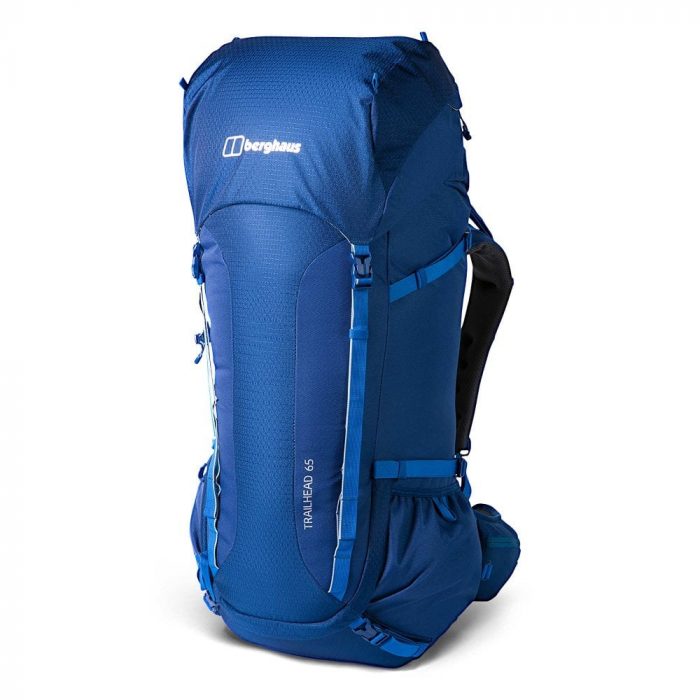
Expedition
Expedition rucksacks are most suitable for expeditions such as mountaineering, DofE and national or international travel. They come in various sizes, including 50L, 60L and 70L.

Day & Hillwalking
Day and hillwalking bags are smaller in size and made with lightweight materials, so you can carry what you need without being weighed down as you walk.
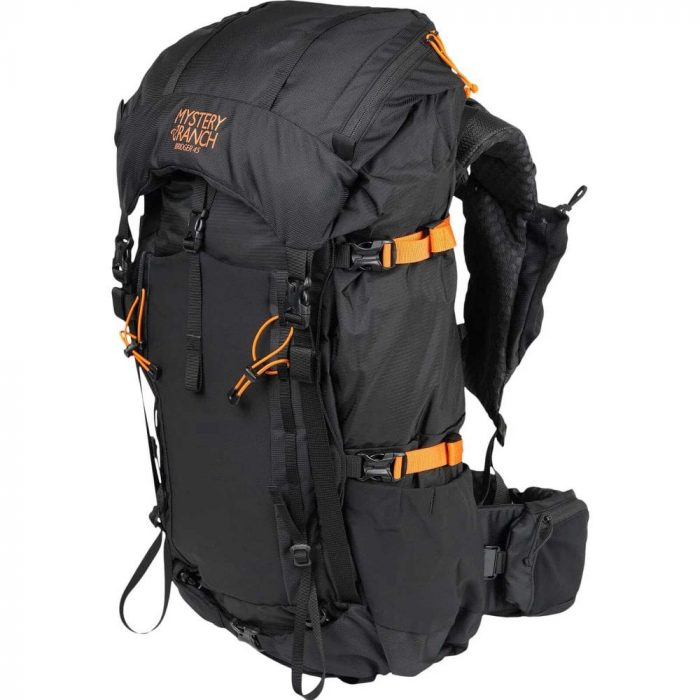
Mountaineering
Made with a durable, spacious structure and functional waterproof materials, they are effective in various harsh environments.
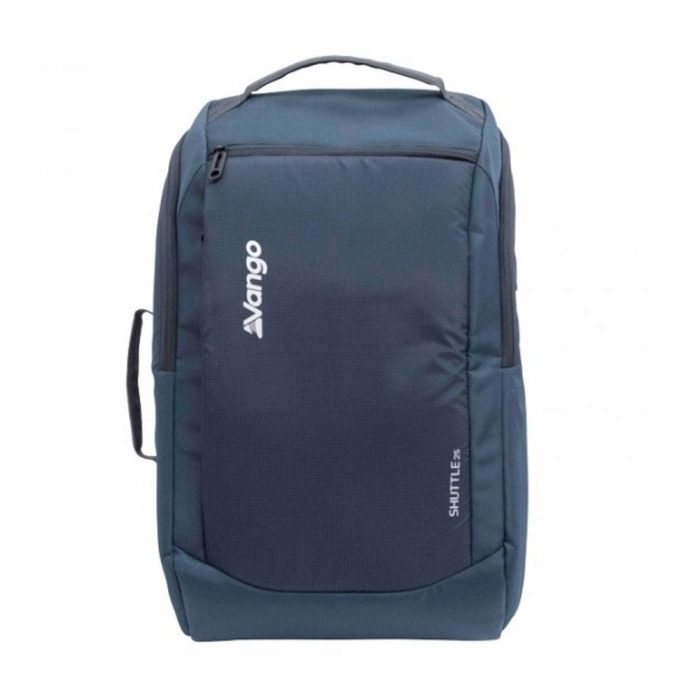
Travel
Designed for convenience and security, travel rucksacks often include multiple compartments, lockable zippers, and ergonomic straps for comfort during long journeys.

Military
Military backpacks are practical, durable and waterproof, making them an excellent travel option. With useful features such as storm flaps, attachment points, and adjustable shoulder and chest straps, military duffel bags are highly effective in harsh environments and weather conditions.

Hydration & Lightweight
These rucksacks are compact and designed for high-intensity activities such as running, cycling, and trail hiking. They often include built-in hydration bladder compartments and breathable materials for comfort on the move.
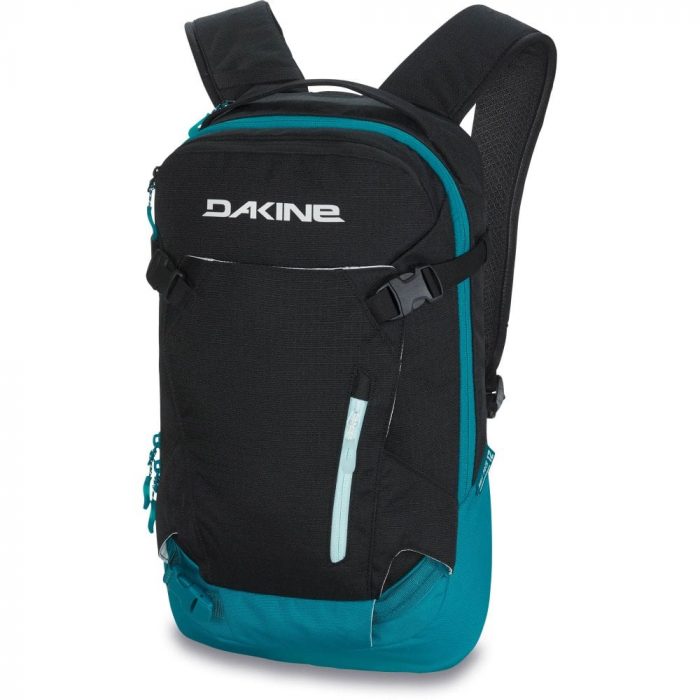
Snowsport Rucksacks
Well-fitted ski backpacks are built for harsh conditions and can also be worn when skiing and snowboarding, making them functional equipment with technical properties for comfort and performance.
Key features to look for in a camping backpack
Material
- Lightweight but durable: Look for material that has a good balance between strength and weight.
- Water-repellant: Not many packs are waterproof, but some repel well. Please protect your items using waterproof liners or rain covers to go over the pack itself.
- Ventilation: A well-ventilated back panel can prevent excessive sweating, while adjustable straps allow for a tailored fit.
Storage & Organisation
Compartments & Pockets: Multiple compartments or pockets help organise your gear.
- Hip belt pockets: Ideal for snacks, maps, or small essentials you need quick access to.
- Side pockets: Useful for water bottles or trekking poles.
- Bottom compartments: Can be used to separate wet and dry gear or store a sleeping bag.
Access points: Consider how you can get access to your gear in the easiest way.
- Top-loading: Classic and simple but can make accessing lower items tricky.
- Front-loading: Allows easier access to contents.
- Side zips & bottom compartments: Convenient for quick access without unpacking everything.
External attachment points
- Gear Loops & Straps: For trekking poles or other equipment.
- Side & Bottom Straps: Useful for carrying a tent, sleeping pad, or extra gear externally.
- Webbing or daisy chains: Offer extra attachment points for carabiners, tools, or additional gear.
- Hydration system compatibility: Look for a built-in sleeve and hose port for a hydration bladder. (don’t overfill your pack with water, remember, 1L of water is 1kg extra to carry.)
- Compression straps: Help reduce bulk and stabilise the load.
Fit & Comfort
- Padded hip belt: Transfers weight to your hips rather than your shoulders, reducing strain.
- Chest strap: Helps stabilise the load and keeps shoulder straps from slipping.
- Adjustable shoulder straps: Straps are there to support, not restrict. See below the fitting guide.
How to get the perfect fit
A well-fitting rucksack is crucial for comfort and balance. Follow these steps to ensure a good fit:
- Adjust the hip belt first: It should sit on your hip bones and carry most of the weight.
- Tighten the shoulder straps: They should be snug but not too tight.
- Use the load lifters: These small straps above the shoulder straps pull the weight closer to your back for better balance.
- Secure the chest strap: This keeps the shoulder straps in place and distributes weight evenly.
- Fine-tune using compression straps: These help stabilise your load and keep it compact.
Ensuring your backpack fits properly is essential for comfort on the trail. The right fit depends on your back length and build rather than your overall height. Most backpacks have adjustable back straps and larger ones often include adjustable chest straps as well, helping to secure a snug and comfortable fit. If your backpack still sits too low even after adjusting the straps, it might be too big for you.
You might also want to consider a backpack designed specifically for women. These backpacks have the same features as standard ones but are tailored for a smaller torso, with a shorter back system and a narrower gap between the shoulder straps for a better fit. The shoulder straps are curved to accommodate the bust, with the chest strap positioned above it. Women’s fit also backpacks typically have a narrower hip belt and shoulder straps for improved comfort.
Packing your rucksack correctly
Packing your rucksack efficiently can make a huge difference in comfort and balance. Here are some tips:
- Heavy items: Place closer to your back and in the middle of the pack for better balance.
- Light items: Keep them at the top and bottom to prevent sagging.
- Frequently used items: Store in easily accessible compartments or hip belt pockets.
- Compression straps: Use them to keep the load tight and stable.
Learn more in our guide on how to pack your backpack.
Shop rucksacks for your next adventure
Choosing the right rucksack involves understanding your needs and ensuring the fit and features align with your activities. Whether setting off on a short hike or embarking on a week-long expedition, having the right pack will make your journey more enjoyable and comfortable.
Need a rucksack? Browse our selection of high-quality rucksacks and luggage to get yourself ready for your next adventure.
Related
Essential Camping Packlist: What Do You Need For Camping?
Comments are closed here.