
How to Pack a Camping Backpack
Whether camping for a weekend or going on a week-long adventure, it’s key to know how to distribute the weight of your backpack and organise your gear to minimise fatigue and ensure a comfortable hike.
Follow our advice on properly packing your camping backpack, step-by-step, with some tips from our experts.
Contents
What is the best way to pack a travel backpack?
What order do you pack a camping bag in?
Top tips for packing your camping backpack
Why proper packing for camping makes a difference
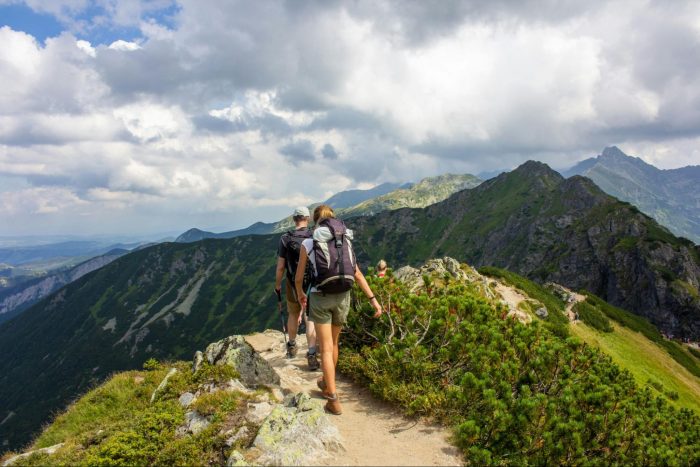
What is the best way to pack a travel backpack?
Weight distribution is key to comfort when packing your backpack. If the weight is uneven, it can cause fatigue or even injury.
Follow our advice for distributing your gear evenly:
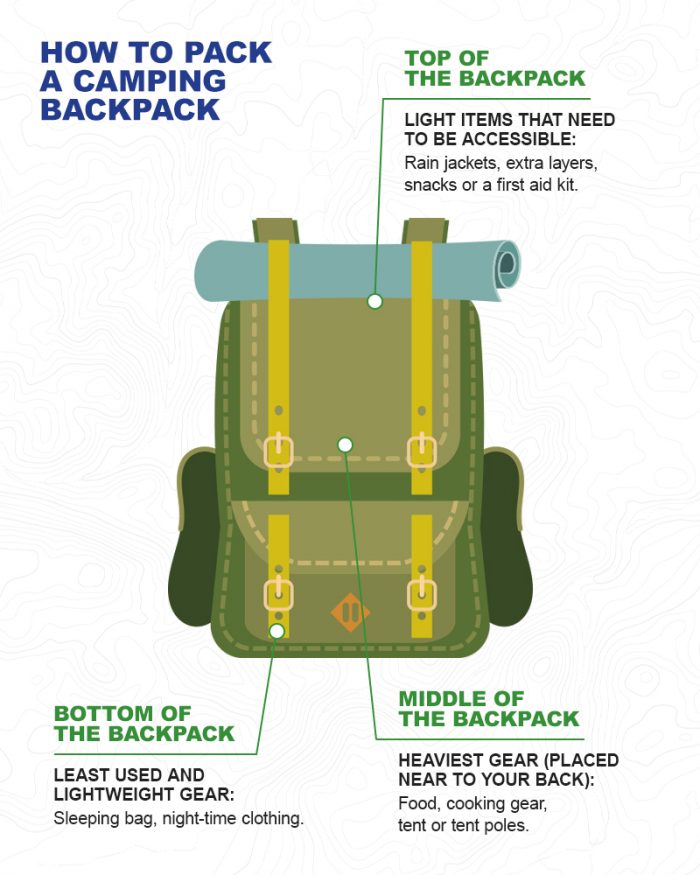
Bottom of the backpack
Place your least used and lightweight gear at the bottom of your backpack, items like your sleeping bag, which is bulky but light and doesn’t need to be accessed quickly.
- Sleeping Bag: The sleeping bag is the last thing you’ll reach for after a long day, so it should be at the very bottom.
- Nighttime Clothing – Soft Merino thermals for a warm and comfortable sleep.
Middle of the backpack
In the middle section, near your back, you should pack your heaviest items, like food, cooking gear or tent poles.
Keeping them close to your back keeps you balanced. If the heavy gear were placed away from your back, it would pull you backwards, making walking more uncomfortable and increasing fatigue.
- Heavy Gear – Pack dense items like water, food, and cookware here to balance the weight.
- Tent – Store your tent vertically against the part of the pack that rests on your back for better weight distribution.
Top of the backpack
The top of the backpack is where you need the items you’ll use most on the trail, like rain jackets, snacks or a first aid kit. Keep any important items at the top to ensure easy access throughout the day.
- Essentials – Keep items like a first aid kit, snacks, an extra fleece, and your map easily accessible.
- Rain Gear – A waterproof jacket and trousers should be within quick reach in case of unexpected weather.
- Extra Warm Layers – Have spare layers handy for sudden temperature drops.
Exterior pockets & straps
Use the outside pockets on your backpack to quickly access items like walking bottles or maps. These items should be easy to grab without taking the pack off.
- Quick-Access Items: Store essentials like a water bottle, map, or snacks in the outer pockets so they are easily accessible without removing your pack.
- Attachment Points: Use external straps to secure bulky gear, such as trekking poles, a rolled-up sleeping pad, or a rain cover. Make sure any items on the outside are protected in case of changing weather by using either rain cover or waterproof bags.
What order do you pack a camping bag in?
Now, let’s break down the process of packing your backpack:
- Lay out all your gear
Before packing, lay out all your gear and separate it into groups for clothing, cooking, food, and sleeping.
- Start with the sleeping bag
Pack your sleeping bag at the bottom of the pack. It’s bulky, lightweight, and won’t be needed until you stop to set up camp. Always make sure your sleeping bag is in a waterproof bag.
- Pack heavy items like tent poles and food
Place heavy items like tent poles, food, and cooking gear in the middle of the pack. Place your tent vertically against the part of the bag that will be against your back.
- Fill in with lighter items
Pack lighter, softer items towards the top, such as clothing and your rain jacket. These are things you might need to grab quickly.
- Use side pockets and external straps
Use the side pockets for water bottles and small items that must be accessible on the go. External straps can be used for securing items like your sleeping mat.
- Fill loose space and tighten the straps
Once your gear is packed, shake it to ensure any loose items have been filled and tighten the compression straps to reduce the bulk. This helps keep everything snug and prevents items from moving around while you’re hiking.
To ensure your backpack is packed correctly, place it on the floor. If it falls to either side, the weight is unevenly distributed and needs adjusting. If it falls forward, with the straps facing upward, there’s too much weight at the front, pulling you back as you walk.
Top tips for packing your camping backpack
Here are some of our expert tips to make your packing even more efficient:
- Use compression sacks or packing cubes
Packing cubes are great for squeezing bulky items like sleeping bags and clothing. They’ll help save space and keep things organised. - Waterproof your gear
If heading out in wet conditions, ensure your gear stays dry using waterproof dry bags or a rain cover for your backpack. - Minimise unnecessary items
It’s easy to over-pack, but remember that every extra item adds weight. Stick to the essentials to keep your pack as light as possible. - Keep emergency essentials accessible
Items like your first aid kit, headlamp, multi-tool, and map should be easily accessible. You don’t want to dig through your entire bag to find something important in an emergency. - Pack clothes effectively
Rolling method: Roll clothes tightly to save space and prevent wrinkles.
Compression sacks: Use for bulkier items like jackets or sleeping clothes.
Stuffing method: Stuff smaller items (socks, underwear) into shoes or side pockets.
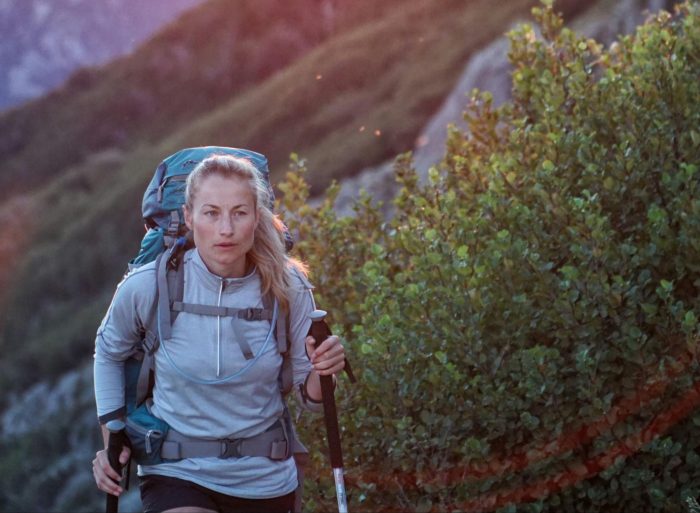
Why proper packing for camping makes a difference
While proper packing will help you neatly fit everything into your backpack, it will also make your backpack feel more comfortable and keep you better balanced.
A well-packed backpack can make a big difference to your camping trip, helping you reduce strain on your back and shoulders, making it easier to find important items when needed, and ensuring your gear is organised to protect it from damage.
It’s all about making sure that your gear is packed efficiently to keep you comfortable throughout your journey.
Choosing the right backpack
Before you think about packing, knowing how to choose the right backpack for your trip is important.
- Capacity: The size of your backpack will depend on the length of your trip. A backpack up to 25L is sufficient for a day hike. For multi-day treks, you’ll need something larger, around 50-80L.
- Fit: Make sure the backpack fits comfortably on your body. The hip belt should rest comfortably on your hips, not your waist. The shoulder straps should be adjustable for a snug fit. With the heavier packs, you need to have most of the weight [80:20 split] on your hips and use your shoulder straps for adjustment and support
- Type: Consider what kind of backpack you need. Some are designed for hiking, with extra compartments, straps, and ventilation.
Learn more about how to choose the right backpack in our comprehensive guide.
Shop backpacks and packing essentials from Outdoor Action
With a little organisation and understanding of weight distribution, you’ll improve your comfort, efficiency, and overall experience on the trail.
Practice makes perfect, so try packing your bag a few times before your hike to ensure everything fits and feels right.
Our selection of rucksacks at Outdoor Action includes options for every journey, with options for expeditions, day & hill walking and mountaineering so you can find everything you need for your next adventure.
Related
Essential Camping Packlist: What Do You Need For Camping?
Comments are closed here.