
How to Choose a Sleeping Bag for Camping
Choosing the right sleeping bag can elevate your camping experience, giving you a good night’s sleep and leaving you feeling refreshed for the next day’s adventure.
But with many sleeping bags on the market in different shapes and materials, it can be overwhelming to find the right option for the type of camping you’ll be doing and the time of year you’ll be doing it.
Whether you’re embarking on a multi-day trek or camping with the whole family, follow our guide on choosing a sleeping bag for camping to get the best night’s sleep.
Contents
Season ratings
Sleeping bags are rated by season to help you buy the right ones for the time of year you’ll be camping. When choosing, consider what time of year you’re heading out camping and whether or not you’re more susceptible to the cold.
| Season rating | Season suitability | Temperature suitability |
|---|---|---|
| 1 Season | Summer/Indoor Use | <+5° |
| 2 Seasons | Late Spring/Early Autumn | +5° to 0° |
| 3 Seasons | Autumn/Winter | 0° to -5° |
| 4 Seasons | Winter/Frosty | -5° to -15° |
| 5 Seasons | Extreme cold | -15°> |
1 season sleeping bags
1 season sleeping bags are designed for warm summer nights. They’re lightweight and compact, perfect for camping in hot weather or trips abroad in warmer climates.
They can also be used indoors for kids’ sleepovers or festivals, where insulation isn’t the primary need.
2 season sleeping bags
2 season sleeping bags are suitable for camping during late spring to early autumn when nights can get cool but not too cold. These are ideal for UK camping trips outside of summer and are great for family adventures, kids’ half-term holidays, or those who feel chilly even in summer.
3 season sleeping bags
3 season sleeping bags are designed for early spring or late autumn. They’re warm enough for cold autumn nights and mild winter evenings without frost. Popular for school trips, expeditions, and activities like the Duke of Edinburgh Award, these sleeping bags are perfect for adventurers who need reliable warmth in varying conditions.
4 Season Sleeping Bags
4 season sleeping bags are designed for cold winter nights to provide warmth and insulation, even when nights get frosty or snowy. Usually made with down insulation, these bags are perfect for winter camping or when temperatures drop below zero.
5 Season Sleeping Bags
5 season sleeping bags are designed for extreme cold or high-altitude adventures. They’re made for sub-zero temperatures and harsh environments.
Temperature ratings
Temperature ratings can be found on individual products and are expressed in comfort and extreme ratings. These are based on the outside temperature.
Comfort Rating – The comfort rating refers to the temperature at which a person can sleep comfortably without feeling cold. If you particularly feel the cold, choose a higher comfort rating.
Extreme Rating – The extreme rating is the absolute lowest temperature at which the gear will keep a person alive, though it may not be comfortable. It is often called a “survival rating”, and the sleeping bag is not recommended for regular use at that temperature.
Shapes
Square Sleeping Bags
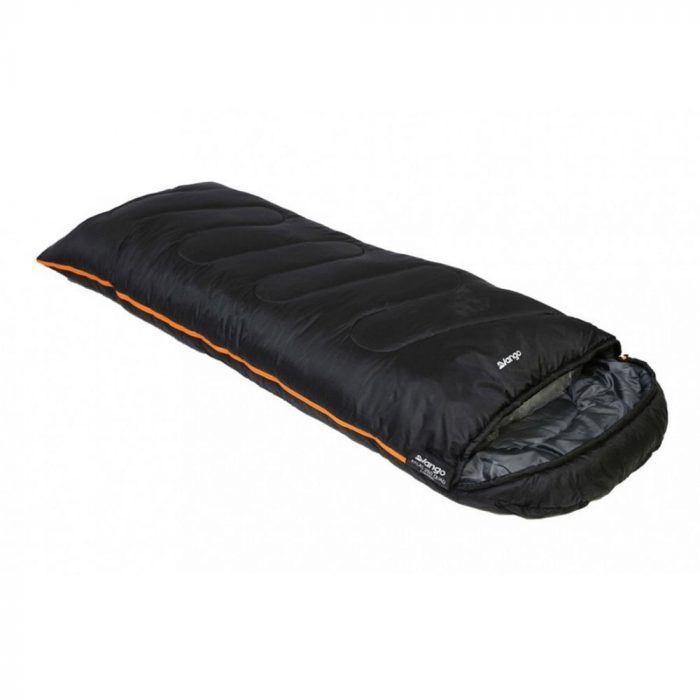
Square sleeping bags are roomy, versatile, and ideal for casual camping. Their open design is great for warm weather and campers who prefer freedom of movement. However, they may not retain heat well in colder conditions.
Pros: More versatile and able to be opened as a duvet. They also have a little more room.
Cons: They can be bulky to pack, and their warmth-to-weight ratio is often quite low.
Mummy Sleeping Bags
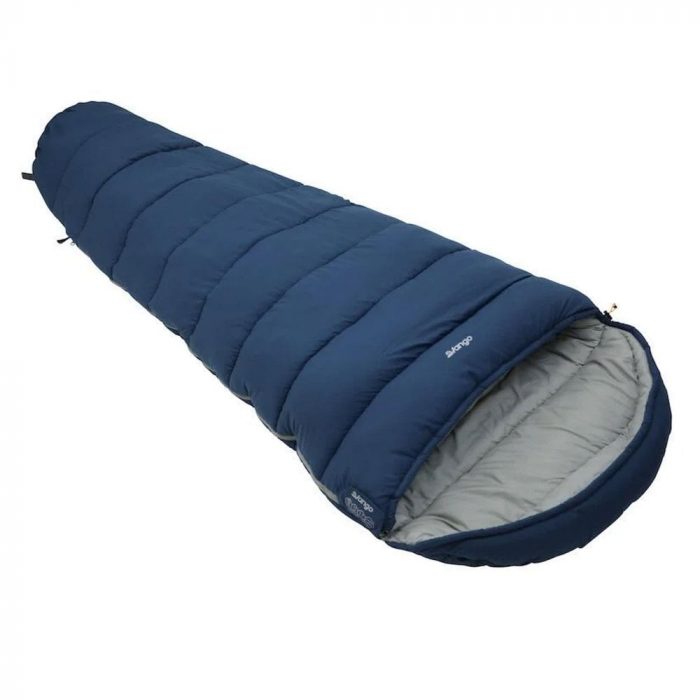
Mummy sleeping bags have a tapered shape that hugs your body, minimising heat loss and providing excellent warmth. These are perfect for cold-weather camping or backpacking trips where every ounce counts.
Pros: Pack down small and have an excellent warmth-to-weight ratio.Cons: It may feel restrictive once you’re zipped in.
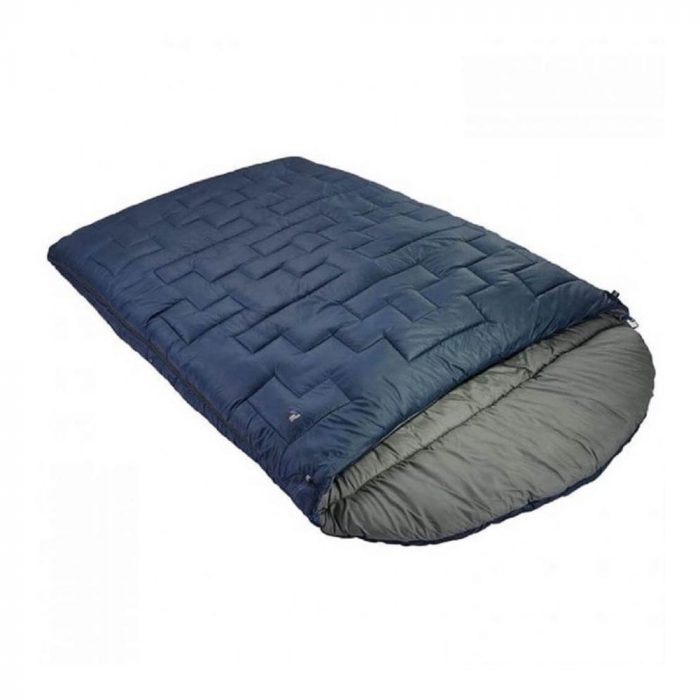
Double Sleeping Bags
Designed for couples, double sleeping bags combine comfort and convenience. They’re best for mild-weather camping and can sometimes be separated into two singles for versatility.
Pros: Ideal for families.
Cons: Can be bulky to pack and heavy with a low warmth-to-weight ratio.
Material: Down vs Synthetic
There are two types of sleeping bag materials: down and synthetic.
Down: Filled with natural fine down feathers (usually duck or goose) that create air pockets for insulation.
Synthetic: Made from polyester-based fibres that mimic the warmth-trapping properties of natural down.
Down insulation
Down sleeping bags provide exceptional warmth and trap heat efficiently. They offer the best warmth-to-weight ratio, ideal for backpacking and cold-weather trips.
However, down loses its insulating ability when wet, as moisture causes the feathers to clump and lose their loft (a measure of how fluffy down is and how well it insulates). It also takes much longer to dry than synthetic insulation, so they’re best suited for cold but dry conditions.
| Pros | Cons |
|---|---|
| Lightweight with an excellent warmth-to-weight ratio | Takes a long time to dry |
| Easy to compress for packing | Loses insulating properties when wet |
| Long-lasting with proper care | More expensive |
| Breathable | Requires special cleaning |
| Superior heat retention | |
Synthetic
Sleeping bags made with synthetic insulation are more affordable than down sleeping bags. One key advantage is their ability to retain their insulating power even when wet, making them a better choice for damp conditions.
However, synthetic insulation doesn’t trap heat as effectively as down, so it may feel colder during winter trips, and they may not last as long.
| Pros | Cons |
|---|---|
| Easier to clean | Shorter lifespan |
| Retains insulation even when wet | Less heat retention compared to down |
| Cheaper options than down | |
Weight and Packability
When choosing a sleeping bag for camping, weight and packability are important considerations, especially for backpackers who need to carry their belongings over long distances.
Weight
Down vs. synthetic insulation: Down sleeping bags are generally lighter for the same warmth level as down has a higher warmth-to-weight ratio.
Fill power: Fill power measures the ‘fluffiness’ or quality of the down. The higher the fill power, the more warmth is provided for less weight, making it ideal for ultralight backpacking.
Temperature rating: Warmer bags tend to be heavier, so selecting an appropriate temperature rating (rather than over-insulating) helps keep weight down.
Packability
Compression: Down sleeping bags compress much smaller than synthetic ones, making them easier to pack.
Compression sacks: Using a high-quality compression sack can reduce the volume of your sleeping bag significantly.
Shape & design: Mummy bags, being more form-fitting, tend to pack down smaller than rectangular bags.
Sleeping bag features to look out for
While some features may seem small to look out for, they can make a big difference to your comfort:
Two-way zips allow you to create an easy opening for ventilation.
Left/Right handed openings make it easier to zip up to get snug. Choosing a zip on the opposite side can also be useful for comfort if you sleep on your side.
Zip covers prevent the zip from coming undone when you’re asleep.
Hoods – A shaped hood with draw cords to pull it tight can keep in heat and prevent heat loss from the head.
Sleeping bag accessories
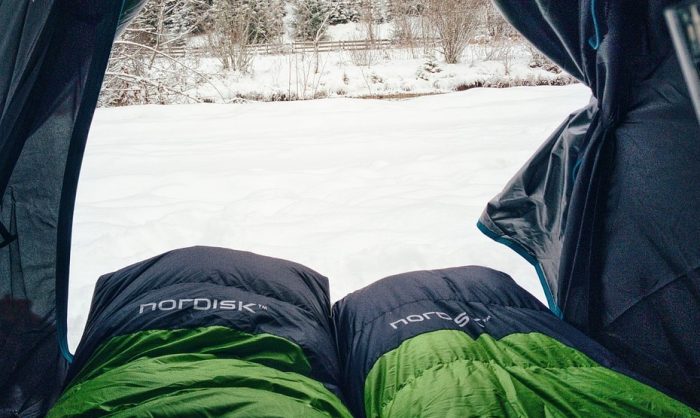
Sleeping bag accessories can enhance comfort, warmth, and convenience while camping.
Sleeping pads provide insulation between you and the ground to prevent heat loss. Foam pads are affordable and durable or self-inflating pads provide a great balance of comfort and insulation.
Camping pillows can improve your sleep quality.
Sleeping bag liners add warmth and protect the lining from body oils and dirt, prolonging the life of your sleeping bag.
Summary of key features
| Feature | Synthetic Sleeping Bags | Down Sleeping Bags |
|---|---|---|
| Best uses | Wet conditions, budget-conscious campers | Cold, dry environments, lightweight backpacking |
| Material | Polyester-based synthetic fibres | Natural down feathers (duck or goose) |
| Warmth-to-weight ratio | Heavier and bulkier for the same warmth | Lighter and more insulating |
| Performance in wet conditions | Retains warmth when wet, dries quickly | Loses warmth when wet and takes longer to dry |
| Durability | Less durable, insulation degrades over time | Long-lasting if properly maintained |
| Packability | Bulkier, harder to compress | Compresses very well, ideal for backpacking |
| Cost | More affordable | More expensive |
Shop sleeping bags and accessories from Outdoor Action
Now you know what to look for, you can find the best sleeping bag for your next adventure, whether braving cold winter conditions or enjoying a summer camping trip.
Shop our full selection of sleeping bags and accessories and enjoy a warm, comfortable sleep on your next trip.
Related
Essential Camping Packlist: What Do You Need For Camping?
Comments are closed here.