
What To Wear Hiking in Cooler Weather: The Ultimate Guide
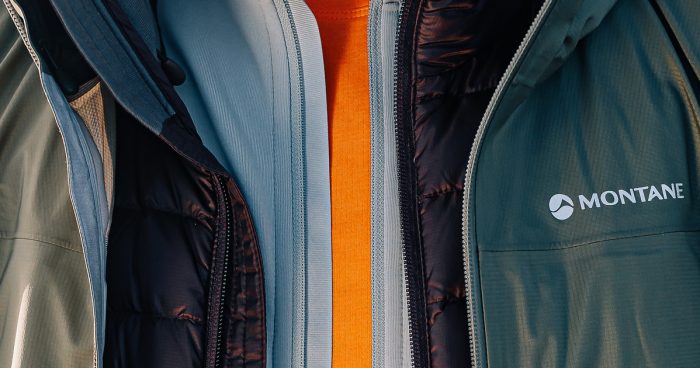
When hiking in the cooler seasons, you can start the morning with crisp sunshine, trail through a downpour, and return to sunshine by the afternoon.
While the orange leaves and red-hued scenery create some breathtaking views, you don’t want the unpredictable changeable weather to get in the way of your hike.
Deciding what to wear for hiking to strike a balance between warmth and breathability can be tricky, but by layering up and choosing the right clothing fabrics, you can enjoy your walk whilst staying prepared for unpredictable weather changes.
Contents
What to consider for hiking in cooler seasons
What do you wear for hiking in cooler seasons
Top tips when hiking in cooler weather
What to consider for hiking in cooler seasons
- Layering – Layering is the key to regulating your body temperature in changing weather conditions. It allows you to remove layers when working up a sweat but can keep you warm and dry if there’s a sudden downpour.
- Material – Choosing the right fabric for each type of clothing is important. You’ll want quick-drying, moisture-wicking and breathable fabrics.
- Weather – Transitional seasons include cool mornings, warm afternoons and potential rain or wind. You could go through all four seasons in just a few hours!
- Trails and terrain – You’ll need to choose clothing that matches the difficulty level of your hike and the terrain you’ll be hiking on.
How to layer for a hike
Layering is essential for cool-weather hiking so you can adapt to the changing temperatures and weather conditions. The key is to have three layers of clothing: a moisture-wicking base layer to keep you dry, an insulating mid-layer to trap heat, and a weather-resistant outer layer to protect against wind and rain.
This will help regulate your body temperature while keeping you comfortable and allows you to add or remove layers as needed.
What do you wear for hiking in cooler weather?
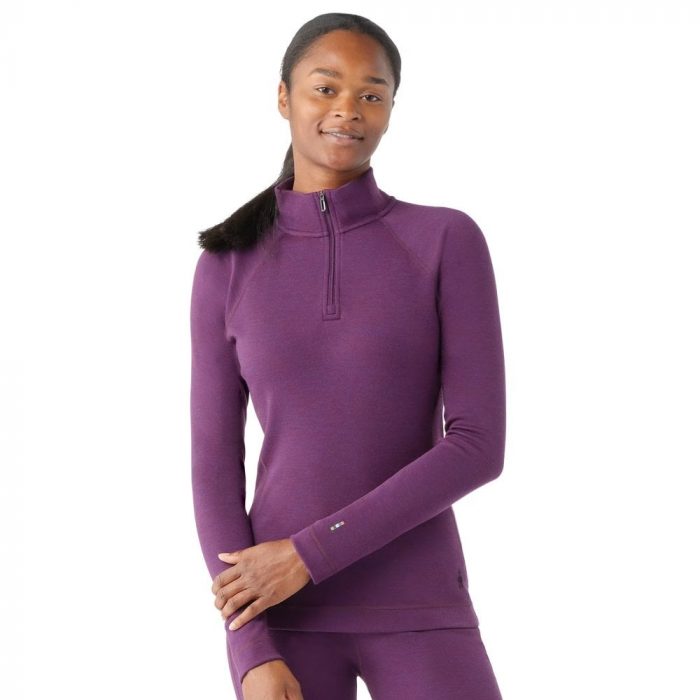
Base layers
A good base layer can regulate your body temperature, keeping you warm and protected from the elements while ensuring you stay dry and warm, even during physical activity.
- Material: Choose moisture-wicking fabrics like merino wool or synthetic blends that dry quickly and wick away sweat. Don’t wear cotton clothing as a base layer, as it can take a long time to dry.
- Fit: You want a snug fit so the base layer can trap warmth, but you don’t want it so tight that it feels restrictive.
- Types:
- Tops: Choose long-sleeve base layer tops for added warmth and coverage.
- Bottoms: Lightweight thermal leggings can keep your legs warm without overheating.
Top Picks from Outdoor Action:
- Keela Merino Base Layers: Soft, breathable, and naturally temperature-regulating.
- Montane Dart Base Layers: Known for their advanced moisture-wicking capabilities, perfect for intense activities.

Mid-layers
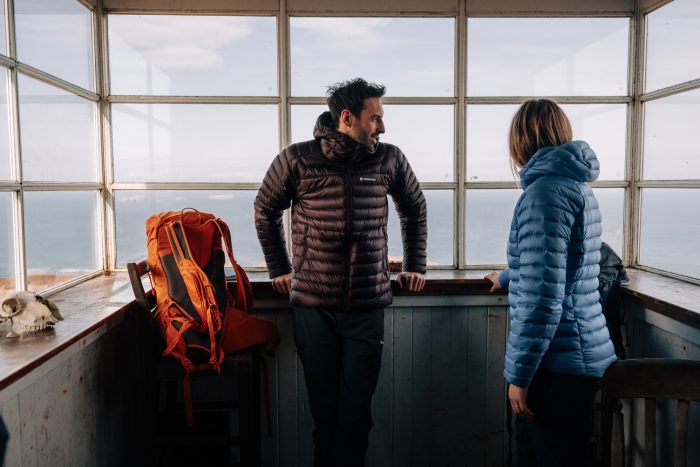
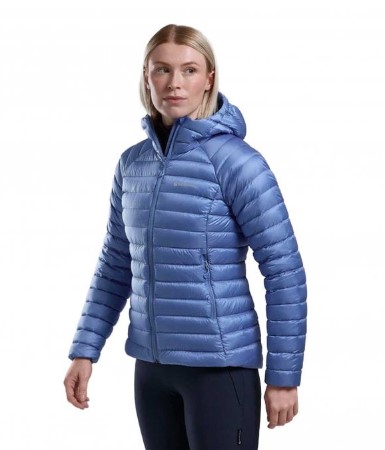
Mid-layers provide insulation, trapping heat generated by the body, but should also allow moisture to escape. Layering a good quality mid-layer over your base layer ensures you’re prepared for cooler conditions but keeps your outfit lightweight and not too bulky.
Material: Fleece, synthetic insulated, or lightweight down jackets are popular mid-layer choices.
Types:
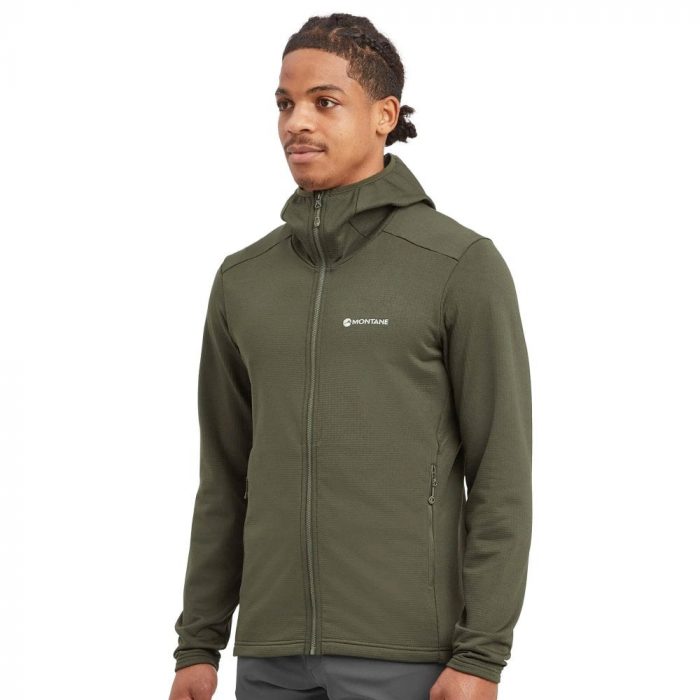
–Fleece Jackets: These are breathable and lightweight, making them great for less extreme cold. Fleece retains warmth even when it’s wet, making it a versatile option.
–Down Insulation: For cold temperatures, down is one of the most efficient insulators. However, it loses its insulating properties when wet. If you’re anticipating wet conditions, consider a synthetic alternative.
–Synthetic Insulation: Synthetic insulations, like PrimaLoft or Thinsulate, provide warmth even in damp conditions and dry faster than down.
Features: Look for options with zippers which can be opened easily for ventilation and easy adjustments to control your temperature better.
Top Picks from Outdoor Action:
- Mountain Equipment Lumiko Zip Fleece: Lightweight and comfortable for mild winter conditions.
- Montane Anti Freeze Jacket: Offers warmth without weight, making it ideal for layering.
- Keela Talus Insulated Jacket: Lightweight and incredibly warm, perfect for cold, dry conditions.
Outer layer
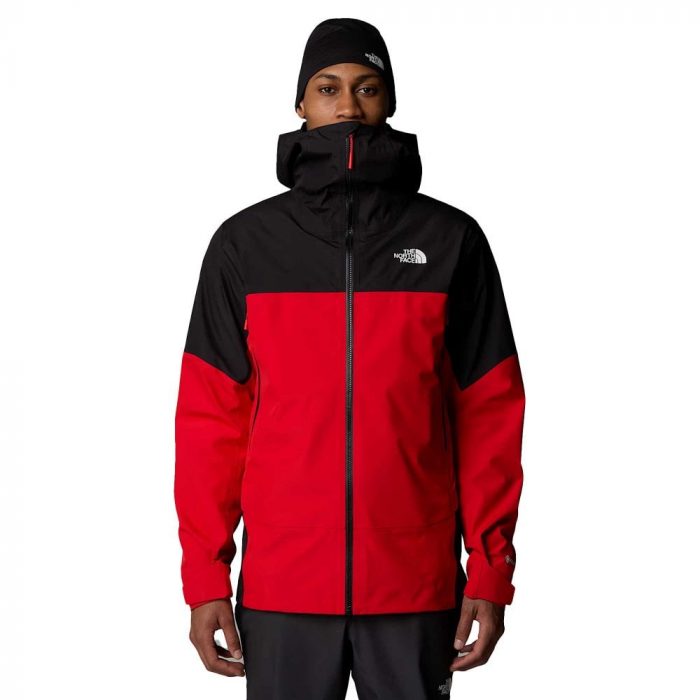
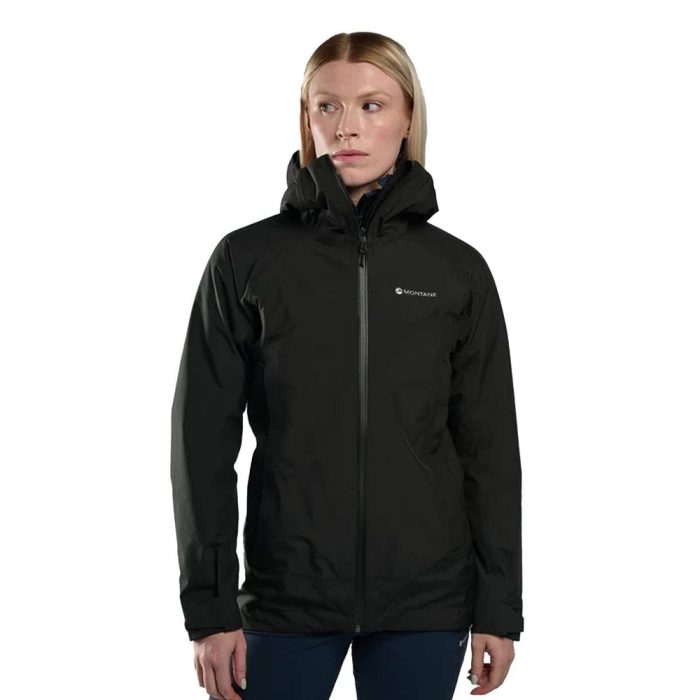
Your outer layer for hiking has to protect you against wind, rain or even snow. A quality jacket is needed to keep you warm and dry.It should be both breathable and waterproof, allowing sweat to escape while keeping the weather out. Without this layer, even the best base and mid-layers won’t protect you.
Features to Look For:
- Waterproof Membranes: Look for jackets with breathable membranes like Gore-Tex or Hydroshell, which allow sweat to escape while keeping rain and snow out.
- Ventilation: Zipped vents or pit zips allow you to regulate temperature by increasing airflow when you’re working hard or feeling too warm.
- Adjustable Features: Hoods, cuffs, and hems that adjust for a better fit help trap warmth and keep out drafts.
HH (Hydrostatic Head) is measured in millimetres and relates to how much water pressure a waterproof jacket can withstand before water penetrates it. The higher the number, the more waterproof the jacket is.
- Types of outer layers:
- Softshell jackets: Good for dry but windy conditions as they are generally windproof and water resistant but not waterproof. They are perfect for those cold winter days when the sun is shining.
- Lightweight jackets: Great for keeping dry without any added bulk, so you can easily hike on more challenging climbs.
- Insulated waterproof jackets: For those who prefer thicker, warmer jackets doing less challenging hikes.
- Features: Look for jackets with hoods and taped seams.
Top Picks from Outdoor Action:
- Montane Torren Jacket: Featuring the innovative Petrichor material, this jacket offers exceptional waterproof performance with outstanding breathability, making it perfect for active winter adventures.
- The North Face Jazzi 3L GTX Jacket: Lightweight, waterproof, and breathable, making it an excellent all-around choice.
- Mountain Equipment Saltoro Jacket: Built for extreme conditions, offering maximum protection from wind and rain.
Don’t Neglect Your Lower Half
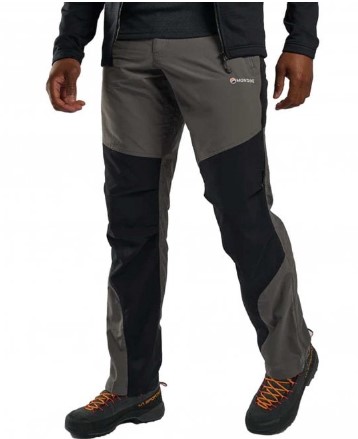
For hiking in cooler weather, you’ll need bottoms that balance comfort, protection, and freedom of movement. If the weather is getting colder, you’ll want to upgrade your hiking pants for extra warmth with thermal layers.
Material: Choose lightweight, water-resistant, and breathable fabrics. Look for pants with a bit of stretch so you don’t feel restricted when walking.
Essentials:
- Baselayer Bottoms: Just like your top half, moisture-wicking bottoms help keep you dry.
- Waterproof Pants: When snow or rain is in the forecast, waterproof trousers will keep your legs dry and comfortable.
Leggings: Hiking leggings made from technical materials are great for flexibility and warmth.
Features: Look for reinforced knees, articulated designs which leave more room for your knees to bend, and pockets for storage to add functionality.
Top Picks from Outdoor Action:
- Surfanic bodyfit longjohns: Lightweight, moisture-wicking, and warm.
- Sprayway mountain rainpant: Durable waterproof pants designed to protect against wet conditions.

Footwear
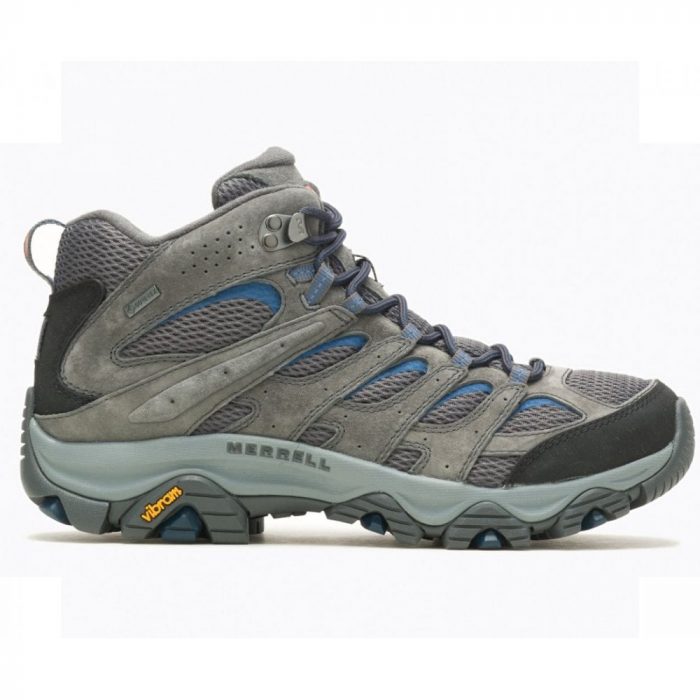
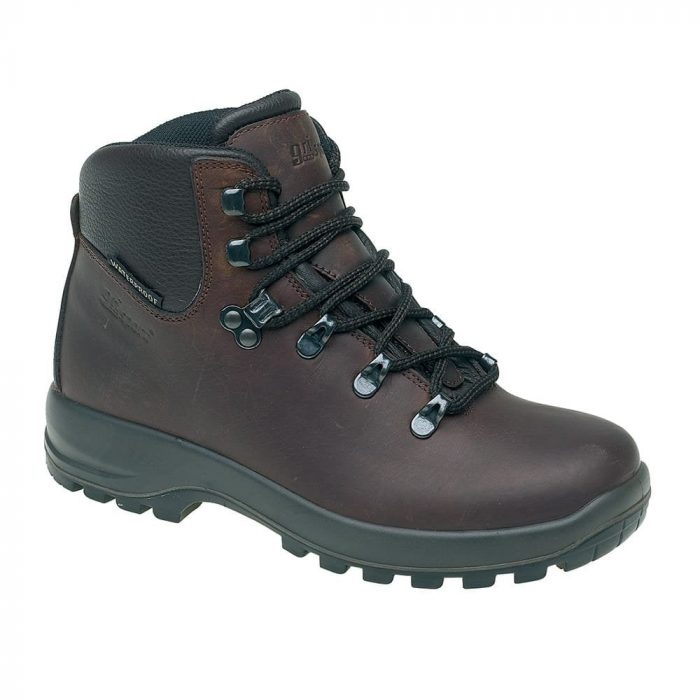
Proper footwear is perhaps the most important part of your hiking outfit as you need it to provide stability and comfort to help you navigate variable terrains, from slippery leaves on the ground to puddles.
Hiking boots: Water-resistant boots protect your feet from damp conditions. Opt for mid to high-ankle boots for added support and protection. Learn more in our guide on choosing walking boots.
Socks: Wool or synthetic hiking socks help prevent blisters and keep your feet warm and dry. Make sure you bring an extra pair in case your feet get wet.
Traction: With slippery leaves and muddy trails, make sure your boots have a good grip and are well broken in before your hike.
To expand upon your guide to layering for a winter walk, let’s delve deeper into the importance of each layer, how to choose the best materials for different conditions, and provide more insights on maximizing comfort during your walk.
Accessories: Don’t Forget the Extremities
Your extremities—head, hands, and feet—are particularly susceptible to cold in winter. Invest in high-quality accessories to ensure comfort throughout your walk.
Head:
- Wool or Synthetic Beanie: Wool beanies are naturally insulating and moisture-wicking, while synthetic options tend to dry faster.
- Buff or Neck Gaiter: A versatile piece of gear that can be used as a scarf or face covering for added warmth.
Hands:
- Insulated Gloves or Mittens: Insulated gloves keep hands warm, while mittens provide more warmth by allowing your fingers to stay together.
- Waterproof Outer Shells: For wet conditions, outer shells ensure your gloves stay dry.
Top Picks from Outdoor Action:
- Sealskinz Waterproof Hats and Gloves: Perfect for wet or snowy conditions.
- Smartwool Merino Socks: Soft, warm, and moisture-wicking for all-day comfort.
Top tips when hiking in cooler weather
- Check the weather forecast: Weather can change quickly. Make sure you check the forecast so you’re prepared for worst-case scenarios.
- Pack layers: Striking the right balance with layers is key, as too many layers can cause overheating, while too few can leave you cold. Take a backpack to stash layers when you’re not wearing them.
- Choose technical fabrics: These are moisture-wicking to keep you dry and comfortable, unlike cotton, which retains moisture.
- Check the sunset time: The days draw in quickly in autumn and winter, and getting caught in the dark can be easy. Carry a headlamp and wear reflective clothing if hiking near dusk.
- Stay hydrated: When it’s cooler weather, you may drink less water. Keep sipping water regularly to stay hydrated.
- Pack a first aid kit: Always bring a first-aid kit, emergency blanket, and navigation tools in case of unexpected situations.
Shop men’s and women’s clothing from Outdoor Action
Dressing for a hike requires thoughtful layering with the right fabrics and styles to suit your needs. You’ll be well-prepared for the season’s challenges with the right base, mid, and outer layers and suitable bottoms, footwear, and accessories.
Gear up and enjoy the stunning beauty of the trails this season with men’s and women’s clothing from Outdoor Action.
Comments are closed here.