
How to Prevent Blisters when Hiking
Blisters can be the bane of any hiking trip, and if you’ve ever dealt with these painful pockets on your feet, you’ll know that even the most beautiful trail can quickly turn miserable.
The primary culprit? Poorly fitting footwear. But while ill-fitting shoes or boots are usually responsible for hiking blisters, the type of socks you choose also plays a crucial role.
In this blog, we’ll cover choosing the right footwear and socks to keep your feet blister-free and how to properly treat any blisters that might arise.
Contents
How to avoid getting blisters on long hikes
Extra tips for blister prevention
How to treat blisters properly
What are blisters caused by?
Blisters are caused by repetitive friction. When hiking, blisters can be caused by:
- Tight areas in your boots
- Sock wrinkles
- Sweat
- Wet feet
- New hiking boots not broken in
- Poorly fitted or ineffective lacing
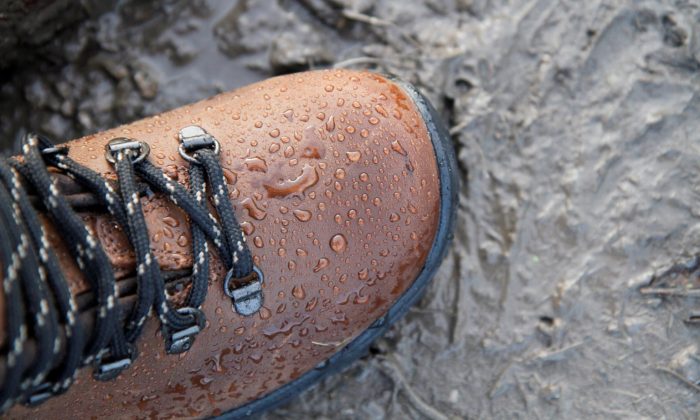
How to avoid getting blisters on long hikes
1. Choose the right footwear
When choosing your hiking footwear, ensure the following:
- Proper fit
- Break in your boots
Proper fit
The best walking boots are always what fits best as the right-fitting pair will prevent blisters.
You’ll need to ensure a snug fit to prevent your foot from sliding around, with enough room in the front to wiggle your toes. If the boots are too big, feet can slide around and cause more friction. If the boots are too small, this can cause scrunched toes and blisters in tight areas.
Read more about how your boots should fit in our guide on how to choose walking boots.
Break in your boots
New boots need to be broken in gradually to mould to the shape of your feet. Start by wearing them around the house, then wear them on short walks before tackling a long hike. This will soften stiff areas and reduce the likelihood of blisters on the trail.
Common mistakes with hiking footwear
- Ignoring hot spots: Hot spots are the early signs of friction that turn into blisters if left unaddressed. If you start to feel these, stop and adjust your shoes or apply a blister plaster to prevent it from worsening.
- Assuming a break-in period will fix any rubbing: Shoes that don’t feel good when you first try them on usually won’t feel better when hiking. The break-in period helps soften materials, but it can’t fix a shoe that doesn’t fit properly.
2. Adjust your lacing technique
Properly lacing your boot means your foot will be held in place, and there will be less friction. Stop and retie your laces along the route if needed.
A few simple adjustments to your lacing technique can also make a big difference in preventing blisters:
Heel lock: This lacing technique, also called the “lace lock,” helps secure the heel in place, reducing friction in the heel area.
Toe relief: If you feel pressure on your toes, you can use a lacing method that allows a bit more space for your toes to move, which can help prevent toe blisters.
3. Wear the right socks
Choosing the right hiking socks is also important in preventing blisters when hiking. When choosing the right socks, you should consider:
- Materials
- Fit
- Coverage
- Cushioning
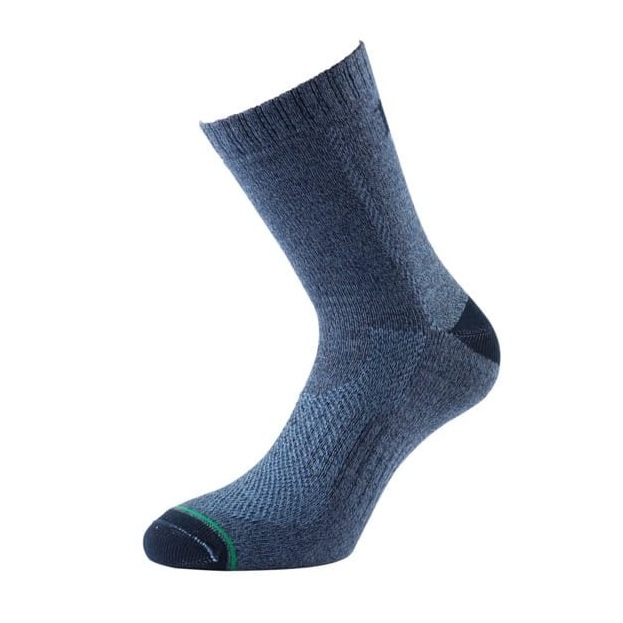
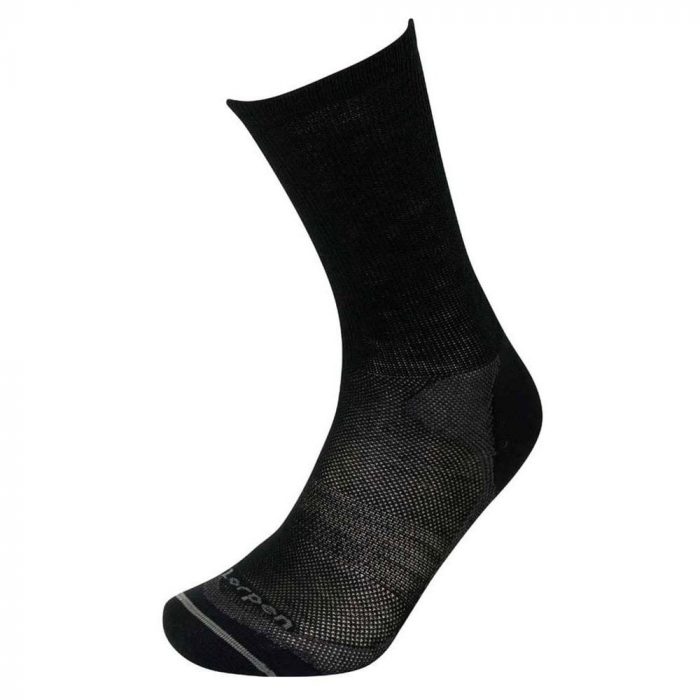
Materials
Wool: Wool, particularly merino wool, is highly recommended for hiking socks. It’s moisture-wicking, breathable, and provides cushioning, all of which help prevent blisters. Wool naturally regulates temperature, keeping your feet cool in warm weather and warm in cooler conditions.
Polyester and synthetic blends: Synthetic materials like polyester or nylon also wick moisture away from your skin and dry quickly, making your feet less prone to developing blisters.
Avoid cotton: Cotton may feel comfortable, but it absorbs and holds moisture, which leads to damp, heavy socks that increase friction and blister potential. Cotton is also slow to dry, making it less ideal for hiking.
Fit, coverage and cushioning
Your socks should fit snugly without any bunching. Loose socks can slide around and cause blisters, just like ill-fitting shoes. Ensure the heel of the sock lines up with your actual heel and the toe area isn’t overly tight or restrictive.
Good hiking socks will wick moisture, fit snugly, dry quickly, and have hidden seams. A great hiking sock might also have extra cushioning in the areas where you’re prone to hot spots or have double layering to help prevent rubbing and blistering.
Use the correct socks for your footwear, i.e. a heavy winter boot sock may not work well in a low shoe, and an ankle sock will not work in a walking boot.
Don’t forget to pack extra socks!
Extra tips for blister prevention
Blister sticks
Blister sticks can reduce rubbing to prevent blisters from forming. They can be easily applied to your feet, especially on hot spots, before a hike and are ideal for feet that swell in warmer weather. Don’t use them on already-formed blisters. Instead, use blister plasters.
Use toe covers
Toe covers surround and cushion the toe to alleviate pain caused by blisters. Usually made from soft silicon, toe covers can stretch to fit any size toe, preventing blisters from friction between toes and reducing the risk of toenail loss.
How to treat blisters properly
Even if you’ve properly prepared, you may still get a blister now and then. Here’s how to treat it and prevent infection:
- Don’t intentionally pop blisters
- Cover them with blister plasters
- Keep blisters clean by gently washing them and patting them dry
- Wash your hands before you touch a blister
Shop walking boots, socks and blister first aid
At Outdoor Action, we sell a range of hiking boots for men and women and walking socks so you can find everything you need to keep you comfortable on your next hiking adventure.
Shop boots and socks from trusted brands like Dolomite and Merrel, and get ready to start planning your next adventure.
Comments are closed here.